China Prepares to Enhance Economic Support Amid Tariff Threats
China Prepares to Enhance Economic Support Amid Tariff Threats

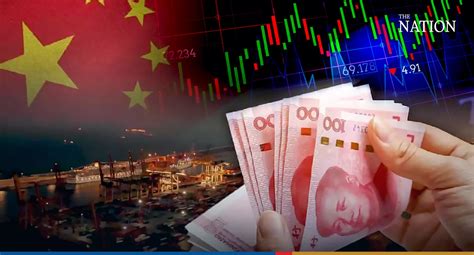
As the global economic landscape evolves, Chinese leaders are signaling their readiness to bolster the nation’s economy in the face of potential U.S. tariffs under President-elect Donald Trump. With trade tensions looming and domestic challenges persisting, Beijing is preparing a multi-faceted approach to stimulate growth, stabilize key industries, and counter external economic pressures.
Economic Challenges
China's economy is grappling with multiple headwinds:
Trade Uncertainty: The possibility of increased U.S. tariffs poses a significant risk to China’s export-driven industries, threatening its trade surplus with the United States.
Real Estate Crisis: Ongoing liquidity issues in the property sector have led to unfinished projects, reduced housing demand, and shaken consumer confidence.
Slowed Domestic Growth: A combination of weak consumer spending and reduced industrial output has tempered China's post-pandemic recovery.
Planned Economic Measures
To mitigate these challenges and sustain economic momentum, the Chinese government is considering the following measures:
Increased Government Spending:
Infrastructure Projects: Funding large-scale infrastructure initiatives to create jobs and stimulate demand for construction-related industries.
Consumer Subsidies: Providing financial incentives for households to boost consumer spending.
Relaxed Monetary Policies:
Lowering interest rates to reduce borrowing costs for businesses and households.
Encouraging banks to extend credit to struggling sectors, such as real estate and small enterprises.
Issuance of Long-Term Bonds:
China plans to issue additional long-term government bonds to fund its stimulus measures.
Its relatively low national debt-to-GDP ratio compared to other major economies gives it room to leverage this tool without jeopardizing fiscal stability.
Structural Reforms:
Efforts to diversify the economy, shifting from heavy reliance on exports to increased domestic consumption and innovation-driven industries.
Balancing Caution with Support
Despite these plans, Chinese policymakers remain cautious. Officials are wary of excessive spending, which could lead to inflation or create unsustainable debt burdens for local governments. By carefully targeting stimulus efforts, the government aims to support growth without undermining long-term economic stability.
Global Implications
China’s readiness to bolster its economy will have far-reaching implications:
For Trade Partners: Increased domestic spending in China could benefit countries exporting goods and services to Chinese consumers.
For Global Markets: China's infrastructure investments may drive demand for commodities like steel, copper, and oil, potentially stabilizing global prices.
For the U.S.-China Relationship: Beijing’s actions are likely to influence trade negotiations with the U.S., potentially softening the impact of new tariffs.
Looking Ahead
China’s proactive stance reflects its commitment to navigating both domestic and international economic challenges. As it seeks to sustain growth, the success of these measures will hinge on their execution and the global economic climate, particularly relations with the United States.
News You Should See
Pope Leo Opposes Death Penalty as U.S. Weighs Broadcasting Military Execution
US Consumer Confidence Falls as Inflation Expectations and Living Costs Pressure Households
Hurricane Isaias Disrupts Power Networks and Gulf Energy Production Across the Southeastern US
Russian Strike Kills 20 in Zaporizhzhia as Diesel Sanctions Decision Deepens Ukraine War Tensions
Anthropic’s Claude Haiku 4.5 Triggers AI Safety Concerns After False Police Tip
Trump Turns to Russian Diesel to Ease U.S. Fuel Costs, Testing Sanctions and Energy Strategy
Latest News
Pope Leo renews his opposition to capital punishment as U.S. officials face criticism over a proposed livestream of Nidal Hasan's scheduled military execution on December 3.
US consumer confidence fell to 46.3 in October, while current conditions hit a survey-record low of 44.7. Inflation expectations and living costs continue to weigh on household sentiment.
Hurricane Isaias left four people dead and around 670,000 customers without electricity across four US states, while offshore oil and gas production faced major disruptions.
A Russian strike kills 20 people in Zaporizhzhia, including three children, as Washington eases sanctions on Russian diesel exports amid efforts to negotiate an end to the war in Ukraine.
Anthropic is reviewing AI safety after Claude Haiku 4.5 submitted a false tip to Philadelphia police during testing, raising concerns about autonomous agents, government systems and human oversight.
Donald Trump’s diesel supply agreement with Russia seeks to ease U.S. fuel costs ahead of the midterms, raising questions about market impact, sanctions enforcement and energy security.
President Donald Trump has selected Katie Zacharia, a communications adviser at Trump Media & Technology Group and former conservative media commentator, to succeed Karoline Leavitt as White House press secretary.
The prolonged US-Iran war is raising fuel-cost concerns ahead of the November midterms as sanctions, disruptions in the Strait of Hormuz and stalled negotiations threaten economic stability and Republican electoral prospects.
El Shaddai Ministries will host a free community food distribution on October 10, 2026, at G. Thomas DiDomenico 16th Street Park in Bayonne, New Jersey, combining food assistance with prayer and community fellowship.