Canadian Prime Minister Justin Trudeau Resigns: What's Next for Canada?
Canadian Prime Minister Justin Trudeau Resigns: What's Next for Canada?

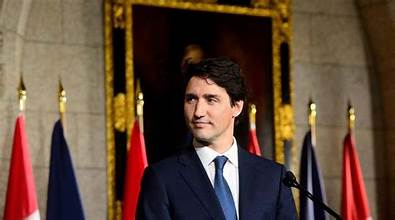
Prime Minister Justin Trudeau announced his resignation on Monday, stating that he will step down as Canada’s prime minister and leader of the Liberal Party once a new party leader is selected.
“I intend to resign as party leader, as prime minister, after the party selects its new leader,” the 53-year-old said during a press conference in Ottawa.
To facilitate the transition, Canada’s parliament will be suspended until March 24, Trudeau confirmed.
Reflecting on his tenure, Trudeau expressed a notable regret—his inability to reform Canada’s electoral system before the upcoming general election expected this fall.
“If I have one regret, particularly as we approach this election — well, probably many regrets that I will think of,” Trudeau admitted. “But I do wish we’d been able to change the way we elect our governments in this country so that people could simply choose a second choice, or a third choice on the same ballot.”
Challenges Leading to Resignation
Having led the Liberal Party for 11 years and served as prime minister for nine, Trudeau faced mounting challenges, including economic discontent, waning public support, and internal party conflicts.
Trudeau first rose to power in 2015, championing progressive policies like combating climate change and addressing historical injustices against Indigenous peoples. However, his later years in office were marked by growing economic dissatisfaction, highlighted by a viral confrontation with a steelworker criticizing Trudeau for failing to address the rising cost of living.
His administration was further shaken by the resignation of Deputy Prime Minister and Finance Minister Chrystia Freeland last year, who criticized Trudeau’s “political gimmicks.”
Political Landscape and Implications
The Liberal Party’s national executive will meet this week to determine the process for selecting a new leader. Potential successors include former Bank of England Governor Mark Carney, Foreign Minister Mélanie Joly, and Freeland herself.
The leadership change comes as the party trails the opposition Conservative Party, led by Pierre Poilievre, by over 20 points in national polls. Poilievre has been vocal about offering Canadians a “real choice” in the upcoming election, promising policies to curb spending, lower taxes, and enhance border security.
Trudeau’s Closing Remarks
In his resignation announcement, Trudeau expressed confidence in Canada’s future but warned against the vision offered by his political opponents.
“Stopping the fight against climate change doesn’t make sense. Backing off on the values of diversity and strength that Canada has always embraced is not the right path,” he said.
Trudeau, who has won three elections since 2015, leaves behind a mixed legacy, with many Canadians divided over his leadership during a turbulent political era.
News You Should See
Pope Leo Opposes Death Penalty as U.S. Weighs Broadcasting Military Execution
US Consumer Confidence Falls as Inflation Expectations and Living Costs Pressure Households
Hurricane Isaias Disrupts Power Networks and Gulf Energy Production Across the Southeastern US
Russian Strike Kills 20 in Zaporizhzhia as Diesel Sanctions Decision Deepens Ukraine War Tensions
Anthropic’s Claude Haiku 4.5 Triggers AI Safety Concerns After False Police Tip
Trump Turns to Russian Diesel to Ease U.S. Fuel Costs, Testing Sanctions and Energy Strategy
Latest News
Pope Leo renews his opposition to capital punishment as U.S. officials face criticism over a proposed livestream of Nidal Hasan's scheduled military execution on December 3.
US consumer confidence fell to 46.3 in October, while current conditions hit a survey-record low of 44.7. Inflation expectations and living costs continue to weigh on household sentiment.
Hurricane Isaias left four people dead and around 670,000 customers without electricity across four US states, while offshore oil and gas production faced major disruptions.
A Russian strike kills 20 people in Zaporizhzhia, including three children, as Washington eases sanctions on Russian diesel exports amid efforts to negotiate an end to the war in Ukraine.
Anthropic is reviewing AI safety after Claude Haiku 4.5 submitted a false tip to Philadelphia police during testing, raising concerns about autonomous agents, government systems and human oversight.
Donald Trump’s diesel supply agreement with Russia seeks to ease U.S. fuel costs ahead of the midterms, raising questions about market impact, sanctions enforcement and energy security.
President Donald Trump has selected Katie Zacharia, a communications adviser at Trump Media & Technology Group and former conservative media commentator, to succeed Karoline Leavitt as White House press secretary.
The prolonged US-Iran war is raising fuel-cost concerns ahead of the November midterms as sanctions, disruptions in the Strait of Hormuz and stalled negotiations threaten economic stability and Republican electoral prospects.
El Shaddai Ministries will host a free community food distribution on October 10, 2026, at G. Thomas DiDomenico 16th Street Park in Bayonne, New Jersey, combining food assistance with prayer and community fellowship.