Can the Aroma of Dark Chocolate Improve Exercise Performance? New Research Explores an Unexpected Link
Scientists investigate how food aromas may influence athletic performance, appetite regulation, and workout efficiency, highlighting new possibilities for sports science and sensory health research.

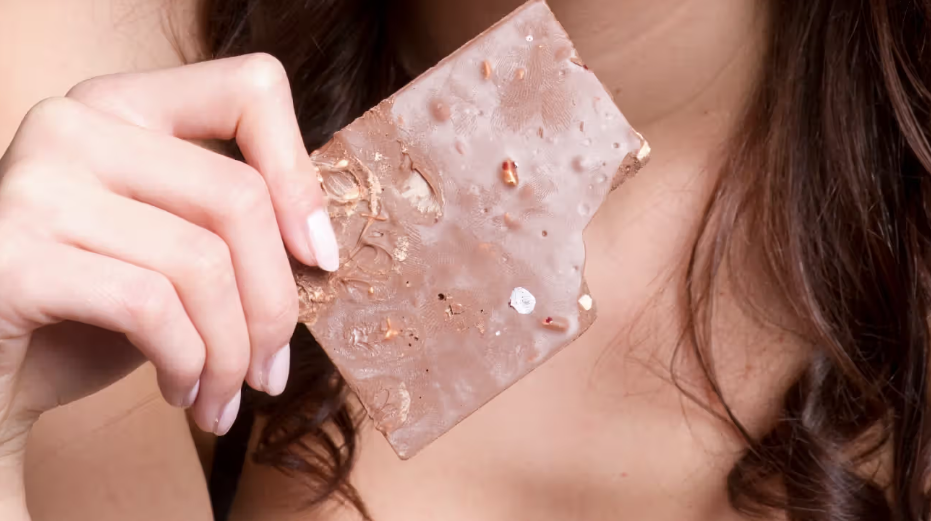
Recent findings from sports physiology research are drawing attention to an unconventional factor that may influence exercise performance: the sense of smell. Rather than focusing on nutritional supplements or performance-enhancing foods, researchers explored whether exposure to specific food aromas before and during exercise could alter physical output and appetite regulation. Their observations suggest that the scent of dark chocolate may produce measurable changes in workout performance, opening new discussions about the role of sensory stimulation in sports science.
The investigation examined resistance-trained healthy young adults under controlled laboratory conditions, comparing the effects of three different aromas presented before and throughout a lower-body resistance workout. Participants were exposed separately to the scent of high-cocoa dark chocolate, milk chocolate, and a neutral control. Researchers then monitored exercise performance alongside psychological indicators such as hunger, fullness, and perceived effort.
Among the tested conditions, the aroma associated with high-cocoa dark chocolate produced the strongest performance outcomes. Participants completed a greater volume of work during leg-extension exercises and demonstrated improved training endurance compared with the neutral condition. Researchers also observed that individuals exposed to the darker chocolate scent generally reported reduced hunger and greater feelings of satiety before beginning exercise.
Although the exact biological mechanisms remain uncertain, scientists believe the body's anticipatory responses to food-related sensory signals may partially explain the findings. Smell can activate neurological and hormonal pathways even before food is consumed, potentially influencing motivation, appetite regulation, attention, and perceived fatigue during physical activity. These responses are increasingly being investigated as part of the growing field of sensory physiology.
The research also highlighted that different food aromas may influence performance through different pathways. While dark chocolate appeared to be associated with appetite regulation, the milk chocolate aroma was generally perceived as more pleasant by participants. This distinction suggests that emotional perception and physiological responses may contribute independently to exercise behavior, emphasizing the complexity of how sensory experiences interact with athletic performance.
From a scientific perspective, the findings should be interpreted cautiously. The investigation involved a relatively small number of resistance-trained men, evaluated only one type of strength exercise, and required participants to complete testing after an overnight fast. These factors limit the ability to generalize the results across women, older adults, recreational exercisers, endurance athletes, or individuals with different nutritional habits.
Nevertheless, the study contributes to an expanding body of evidence examining the influence of environmental cues on human performance. Previous research has reported that aromas such as peppermint may improve perceived energy and running performance, citrus scents may enhance mood during physical activity, lavender may support relaxation and recovery, while ammonia has been associated with increased alertness in strength training environments. Together, these findings indicate that olfactory stimulation deserves greater attention within sports science research.
Beyond its scientific implications, the research reflects a broader trend toward non-invasive performance optimization strategies. Fitness professionals, sports nutrition specialists, and wellness technology companies are increasingly exploring methods capable of enhancing training quality without pharmacological intervention. Sensory-based approaches may eventually become part of integrated exercise environments that combine lighting, sound, temperature, and scent to improve athlete experience and motivation.
From an innovation perspective, the commercial opportunities are also noteworthy. As demand grows for personalized wellness experiences, fitness centers, sports equipment manufacturers, and health technology companies may explore scent-based solutions as complementary tools rather than performance-enhancing products. Such applications would require considerably more scientific validation, yet they illustrate how research can inspire future developments across the health and wellness economy.
Researchers emphasize that smelling chocolate should not be viewed as a substitute for proper nutrition, structured training, adequate sleep, or evidence-based sports supplementation. Instead, the findings encourage further investigation into how simple environmental factors may influence both psychological and physiological aspects of exercise.
Ultimately, the study demonstrates that human performance is shaped by a complex interaction between biology, perception, and the surrounding environment. While much remains to be understood about the relationship between scent and physical performance, the emerging evidence suggests that sensory experiences may play a more meaningful role in exercise science than previously recognized, paving the way for future research into innovative approaches that support healthier and more engaging fitness experiences.
News You Should See
2026 Nobel Medicine Prize Honors Scientists Behind Optogenetics Breakthrough
Oil Prices Edge Lower as Stronger Middle East Exports and G7 Reserves Ease Supply Concerns
Trump Offers U.S. Assistance to Russia After Death at Siberian Plague Research Institute
Trump Takes Economic Message to Nebraska as GOP Faces Rising Cost-of-Living Pressure
U.S. Appeals Court Weighs Trump Administration’s $2.6 Billion Harvard Funding Fight
U.S. Midterm Elections Begin With Resilient Jobs Market and Persistent Cost Pressures
Latest News
The 2026 Nobel Prize in Physiology or Medicine honors Karl Deisseroth, Peter Hegemann and Georg Nagel for pioneering research behind optogenetics and its impact on neuroscience.
Oil prices edged lower as stronger Middle Eastern exports and a planned G7 release of 100 million barrels eased immediate supply concerns, while Gulf security risks and the Strait of Hormuz kept markets alert.
President Donald Trump said the United States would help Russia if needed after a laboratory worker died at a Siberian plague research institute, as Russian authorities imposed precautionary quarantine measures.
Trump’s Nebraska campaign stop highlights rising fuel and grocery costs, beef prices and growing economic pressure on Republicans ahead of the November midterm elections.
A U.S. appeals court is reviewing the Trump administration’s effort to cut Harvard’s federal research funding, with more than $2.6 billion at stake.
The U.S. enters the 2026 midterm elections with unemployment at 4.2%, while higher living and energy costs create economic pressure for households and businesses.
US services growth eased in September as input prices climbed to their highest level since July 2022, with fuel costs, supply-chain disruptions and strong demand increasing pressure on businesses.
Rising Treasury yields are increasing U.S. borrowing costs as Washington manages record debt, persistent inflation and strong economic demand, narrowing its policy options.
A EGP 16 million corporate partnership will establish and equip a bone marrow transplant unit at Cairo’s Coptic Hospital, supporting access to specialized treatment for patients.