Brazil’s Presidential Vote Puts Political Direction and Global Ties in Focus
Brazil’s presidential contest has drawn international attention as voters weigh competing visions for the economy, security and the country’s future amid deep political polarization.

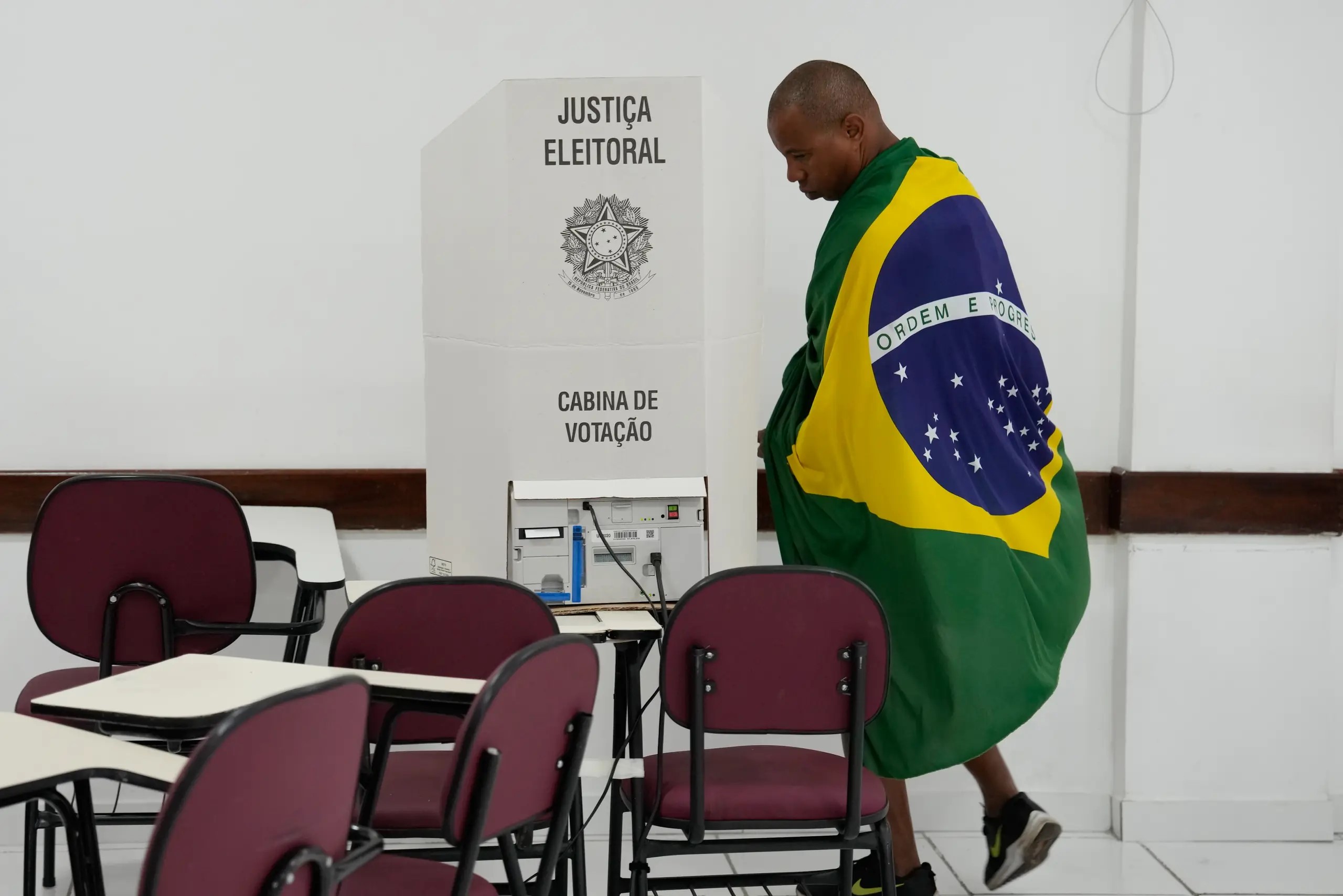
Brazil’s presidential election has emerged as a consequential test of the country’s political direction, with the outcome carrying implications well beyond the domestic political arena. President Luiz Inacio Lula da Silva is seeking another term against Senator Flávio Bolsonaro, whose political identity is closely linked to Brazil’s conservative movement and the legacy of former President Jair Bolsonaro.
The scale of the contest reflects Brazil’s importance within Latin America. As the region’s largest economy, the country occupies a strategic position across agriculture, energy, trade and international climate policy. A change in political leadership could therefore influence not only domestic priorities but also Brazil’s approach to major international partnerships and diplomatic relationships.
The election is taking place against a backdrop of sustained political polarization. The divide that intensified during Jair Bolsonaro’s presidency continues to shape voter preferences, while economic conditions, public security and competing views of Brazil’s political future remain central to the campaign.
Lula entered the vote with an advantage in pre-election polling, although the possibility of a runoff remained significant. Brazil’s electoral rules require a candidate to secure more than half of valid votes to win the presidency in the first round. If no candidate reaches that threshold, the contest moves to a second round, extending political uncertainty and keeping the election under international scrutiny.
For businesses and investors, the result matters because political leadership can influence the policy environment surrounding trade, energy, agriculture and economic management. Brazil’s position as a major producer and exporter also means that changes in government priorities could have consequences for international markets and commercial relationships.
The election is equally important from a branding and institutional perspective. Brazil has spent years balancing its identity as a major emerging economy with its ambitions for stronger international influence. The next administration will inherit the challenge of maintaining that global profile while addressing internal divisions and competing expectations from voters.
The final result, and whether the presidency is decided immediately or through a runoff, will determine the next phase of Brazil’s political transition. More broadly, the vote is a measure of whether the country can move beyond prolonged polarization toward a more stable political and economic framework, an issue that will remain closely watched by regional partners and global markets.
News You Should See
2026 Nobel Medicine Prize Honors Scientists Behind Optogenetics Breakthrough
Oil Prices Edge Lower as Stronger Middle East Exports and G7 Reserves Ease Supply Concerns
Trump Offers U.S. Assistance to Russia After Death at Siberian Plague Research Institute
Trump Takes Economic Message to Nebraska as GOP Faces Rising Cost-of-Living Pressure
U.S. Appeals Court Weighs Trump Administration’s $2.6 Billion Harvard Funding Fight
U.S. Midterm Elections Begin With Resilient Jobs Market and Persistent Cost Pressures
Latest News
The 2026 Nobel Prize in Physiology or Medicine honors Karl Deisseroth, Peter Hegemann and Georg Nagel for pioneering research behind optogenetics and its impact on neuroscience.
Oil prices edged lower as stronger Middle Eastern exports and a planned G7 release of 100 million barrels eased immediate supply concerns, while Gulf security risks and the Strait of Hormuz kept markets alert.
President Donald Trump said the United States would help Russia if needed after a laboratory worker died at a Siberian plague research institute, as Russian authorities imposed precautionary quarantine measures.
Trump’s Nebraska campaign stop highlights rising fuel and grocery costs, beef prices and growing economic pressure on Republicans ahead of the November midterm elections.
A U.S. appeals court is reviewing the Trump administration’s effort to cut Harvard’s federal research funding, with more than $2.6 billion at stake.
The U.S. enters the 2026 midterm elections with unemployment at 4.2%, while higher living and energy costs create economic pressure for households and businesses.
US services growth eased in September as input prices climbed to their highest level since July 2022, with fuel costs, supply-chain disruptions and strong demand increasing pressure on businesses.
Rising Treasury yields are increasing U.S. borrowing costs as Washington manages record debt, persistent inflation and strong economic demand, narrowing its policy options.
A EGP 16 million corporate partnership will establish and equip a bone marrow transplant unit at Cairo’s Coptic Hospital, supporting access to specialized treatment for patients.