Berlin’s Alternative Culture Faces Growing Pressure as Affordable Spaces Disappear
Rising property values are making the affordable temporary spaces that sustain Berlin’s independent cultural scene increasingly difficult to secure.

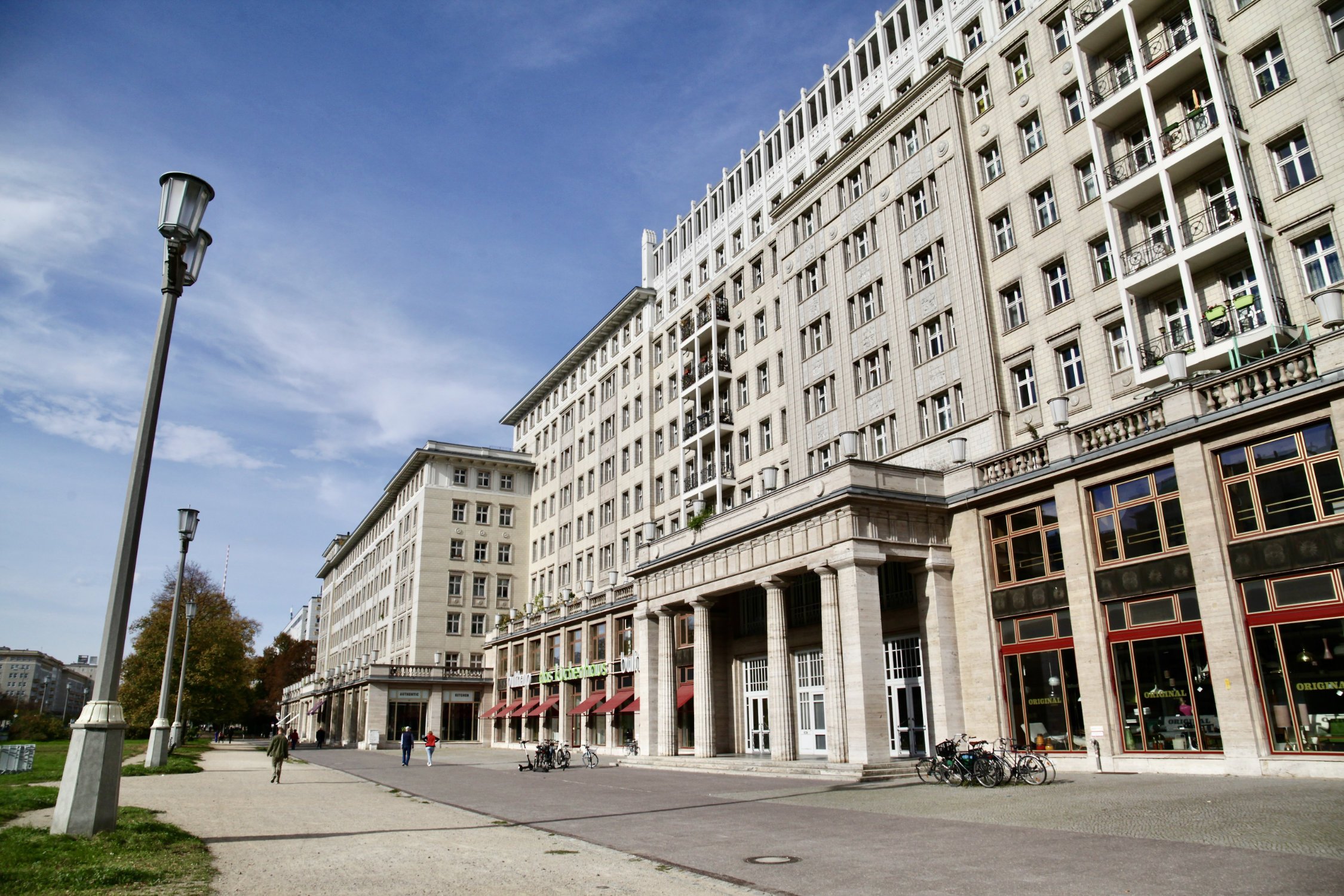
Berlin’s alternative cultural identity was built in spaces that conventional real estate markets once considered marginal: abandoned buildings, vacant plots and underused urban land. Today, those same locations are becoming increasingly valuable, creating a structural challenge for the independent artistic communities that helped give the city its distinctive cultural character.
The situation surrounding Zirkus Mond illustrates the problem. Led by Max Mohr, the alternative circus group spent its early years performing in abandoned buildings before moving to vacant land in northeastern Berlin. The group remained at its current location for eight years, but the property developer that had allowed the troupe to use the site is now reclaiming it. Zirkus Mond is preparing to relocate, yet the move highlights a problem that extends well beyond a single cultural organization.
For years, inexpensive and temporary spaces provided an entry point for artists, performers and community groups that could not compete for conventional commercial properties. In parts of Berlin, unused land gradually became informal cultural districts containing bars, open-air discos and performance spaces. These projects were not simply entertainment venues; collectively, they contributed to the grassroots character that became associated with Berlin’s alternative cultural scene.
The economics of the property market are now changing that equation. As land values rise, sites that previously had limited commercial significance can become attractive for residential or commercial development. A vacant plot that once offered a cultural group room to experiment may eventually be viewed primarily as a real estate asset. This creates a direct tension between short-term land use and the longer-term cultural value generated by independent communities.
For cultural organizations, relocation can appear to be a practical answer. But moving from one site to another does not necessarily address the underlying shortage. If affordable land and buildings continue to disappear, organizations may repeatedly face the same cycle of establishing a community, developing an audience and then losing their premises when the property becomes more valuable.
The issue also has implications for Berlin’s broader urban identity. Alternative culture can contribute to a city’s international reputation without necessarily operating through large institutions or conventional commercial models. Informal venues, independent performers and community-led projects can create cultural activity with relatively modest physical resources. Their economic footprint may therefore be difficult to measure in the same way as conventional real estate development, even though they contribute to the attractiveness and diversity of urban neighborhoods.
The experience of Zirkus Mond demonstrates why access to space is more than a logistical concern for independent culture. It is an important condition for continuity. Without locations that remain affordable or available for long enough to allow communities to develop, the independent sector risks becoming increasingly dependent on commercial venues or institutional support.
Berlin’s challenge is therefore not simply how to find another site for individual groups. It is how the city’s property market can accommodate cultural uses alongside residential and commercial development. As land becomes more valuable, the future of alternative cultural spaces will depend increasingly on whether affordable locations remain part of the urban landscape.
For organizations such as Zirkus Mond, the immediate priority is finding a new home. For Berlin’s wider cultural ecosystem, however, the larger question is whether the city can preserve the physical conditions that allowed its independent cultural identity to emerge in the first place.
News You Should See
2026 Nobel Medicine Prize Honors Scientists Behind Optogenetics Breakthrough
Oil Prices Edge Lower as Stronger Middle East Exports and G7 Reserves Ease Supply Concerns
Trump Offers U.S. Assistance to Russia After Death at Siberian Plague Research Institute
Trump Takes Economic Message to Nebraska as GOP Faces Rising Cost-of-Living Pressure
U.S. Appeals Court Weighs Trump Administration’s $2.6 Billion Harvard Funding Fight
U.S. Midterm Elections Begin With Resilient Jobs Market and Persistent Cost Pressures
Latest News
The 2026 Nobel Prize in Physiology or Medicine honors Karl Deisseroth, Peter Hegemann and Georg Nagel for pioneering research behind optogenetics and its impact on neuroscience.
Oil prices edged lower as stronger Middle Eastern exports and a planned G7 release of 100 million barrels eased immediate supply concerns, while Gulf security risks and the Strait of Hormuz kept markets alert.
President Donald Trump said the United States would help Russia if needed after a laboratory worker died at a Siberian plague research institute, as Russian authorities imposed precautionary quarantine measures.
Trump’s Nebraska campaign stop highlights rising fuel and grocery costs, beef prices and growing economic pressure on Republicans ahead of the November midterm elections.
A U.S. appeals court is reviewing the Trump administration’s effort to cut Harvard’s federal research funding, with more than $2.6 billion at stake.
The U.S. enters the 2026 midterm elections with unemployment at 4.2%, while higher living and energy costs create economic pressure for households and businesses.
US services growth eased in September as input prices climbed to their highest level since July 2022, with fuel costs, supply-chain disruptions and strong demand increasing pressure on businesses.
Rising Treasury yields are increasing U.S. borrowing costs as Washington manages record debt, persistent inflation and strong economic demand, narrowing its policy options.
A EGP 16 million corporate partnership will establish and equip a bone marrow transplant unit at Cairo’s Coptic Hospital, supporting access to specialized treatment for patients.