Bangladesh's Political Crisis: Election Delays and Risk of Increased Unrest
Bangladesh's Political Crisis: Election Delays and Risk of Increased Unrest

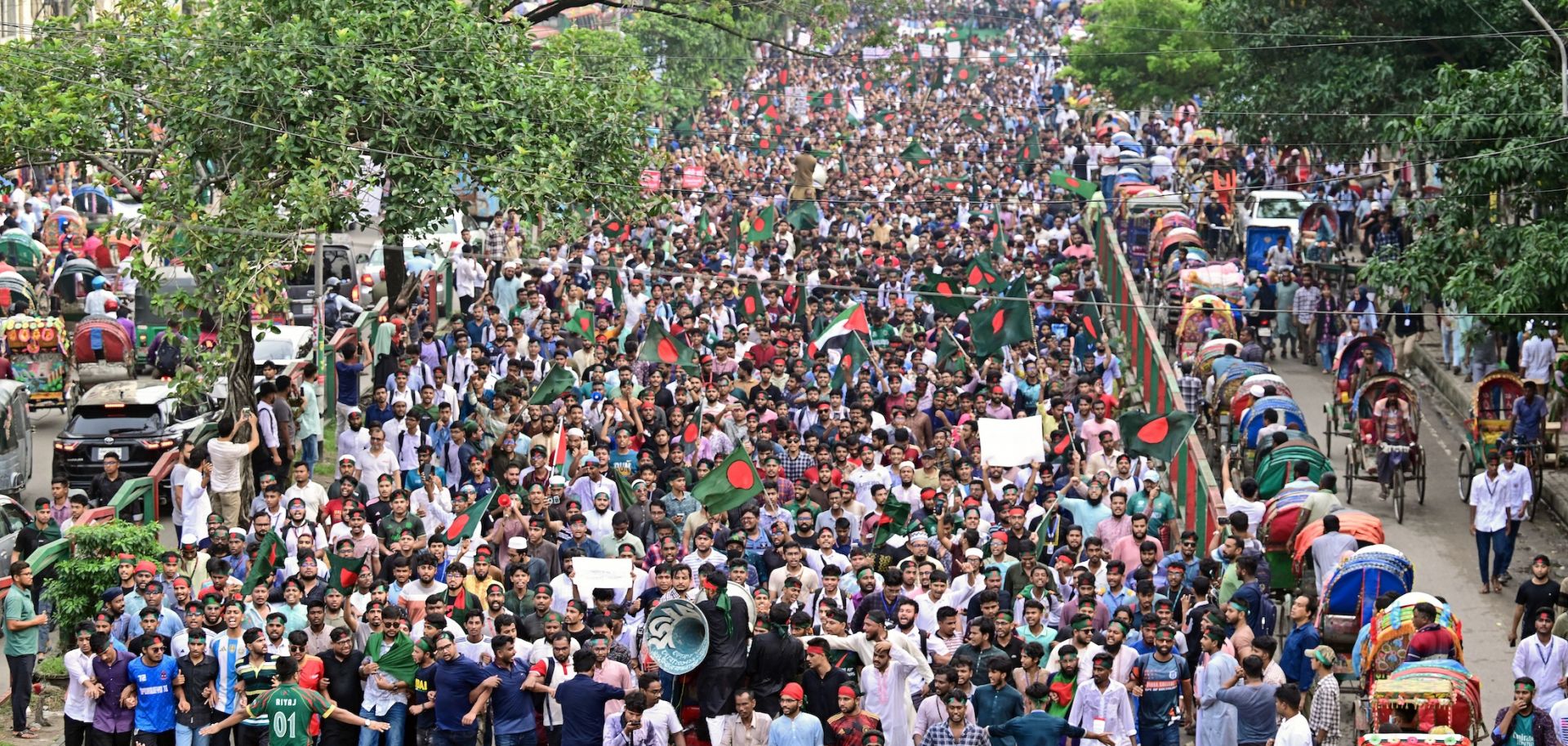
Bangladesh's interim government, led by Muhammad Yunus, is pushing for extensive electoral reforms before setting a date for the national elections. Yunus, in a statement on December 16, suggested that elections could take place by the end of 2025 or early 2026, depending on whether reforms are carried out. However, this plan is likely to further delay the already overdue elections and could intensify political instability in the country.
Key Developments and Timeline:
Interim Government's Formation: The interim government took power on August 9, 2024, after the resignation of Prime Minister Sheikh Hasina following violent protests. The government's mandate was to hold elections within 90 days, but it has already missed this deadline.
Reform Agenda: Yunus emphasized the need for reforms in the electoral, judicial, police, and economic sectors before the elections. These reforms include overhauling the election commission, enhancing judicial independence, and restructuring the police force.
Political Tension: The Bangladesh Nationalist Party (BNP) and Hasina’s Awami League are calling for elections to be held sooner, while the interim government prioritizes reforms first. Tensions between these political factions are escalating, as both parties have competing agendas regarding the electoral process.
Political Instability and Public Unrest:
The delay in elections is contributing to growing unrest in Bangladesh. Since the formation of the interim government, protests have remained subdued, but calls for timely elections continue. While some activists have supported the interim government’s reforms, the lack of a specific election date is a source of frustration. The insistence on reforms before elections risks increasing polarization and could further fuel clashes between political factions.
Economic Risks:
Impact on the Ready-Made Garment Sector: Bangladesh's vital garment industry, which makes up about 80% of annual exports, could suffer from political instability. Protests, particularly in Dhaka, may disrupt manufacturing operations and damage the country’s reputation as a reliable manufacturing hub. Such unrest might lead foreign investors and companies to reconsider their business in Bangladesh, further damaging the economy.
Potential for Authoritarian Shift:
There is concern that the ongoing election delays and heightened political instability could push Bangladesh toward authoritarian rule with military backing. The interim government's close ties with the military may allow it to consolidate power, sidelining democratic institutions and constitutional processes. Such a shift could lead to severe repression of opposition parties and civil liberties, sparking widespread public discontent, protests, and violence.
Electoral Challenges and Risks:
Uncertainty over Electoral Fairness: If the elections occur in late 2025 or early 2026, they may bring political certainty, but disputes over the fairness of the elections are likely to persist. Efforts to marginalize the Awami League will only increase the risk of protests and violent confrontations, particularly with BNP supporters. These factional tensions could keep Bangladesh in a state of unrest well beyond 2026.
Conclusion:
While the interim government's emphasis on reforms is aimed at addressing widespread concerns about electoral integrity and government accountability, it also risks exacerbating political instability in Bangladesh. Delays in elections could further polarize the nation, create economic setbacks, and strain the political environment, particularly in the ready-made garment sector. The potential shift toward authoritarian rule, combined with heightened social unrest, poses serious risks to the country’s future stability.
News You Should See
Trump Heads to Alaska to Bolster Dan Sullivan as Senate Race Draws National Attention
Aberdeen Police Urge Heritage Square Residents to Check Valuables After Superintendent’s Arrest
Law Offices of Marc S. Albert Announces Six Personal Injury and Medical Malpractice Settlements Totaling More Than $7.4 Million
S&P 500 Rally Masks Market Weakness as AI Chipmakers Drive 2026 Gains
Dollar Holds Near 18-Month High as Middle East Tensions Put Inflation and Fed Policy in Focus
New State Voting Rules Complicate Election Preparations Ahead of 2026 Midterms
Latest News
Trump campaigns for Alaska Sen. Dan Sullivan as Democrat Mary Peltola mounts a challenge ahead of the November 3 midterms, with inflation and fuel prices shaping the race.
Aberdeen police urge Heritage Square residents to check for missing valuables after superintendent Nicholas Brent’s arrest. The investigation continues, and the allegations remain unproven.
The Law Offices of Marc S. Albert announced six personal injury and medical malpractice settlements totaling $7.446 million, including cases involving a hospital respiratory emergency, vehicle crashes, a fall and a bicyclist.
The S&P 500 has gained 14% in 2026, but more than 40% of its stocks are down. AI chipmakers dominate returns as higher interest rates pressure other sectors.
The dollar nears an 18-month high amid Middle East tensions, oil volatility, and awaited US inflation data.
Several Republican-led US states have changed voter ID and mail-ballot rules ahead of the November 2026 midterms, creating new challenges for election officials and renewing debate over ballot access and election safeguards.
Brent crude climbed to $105.74 a barrel as President Donald Trump announced plans to buy Russian diesel. Investors are watching inflation expectations, retail sales, geopolitical risks and quarterly results from major US banks.
IMF chief Kristalina Georgieva says AI infrastructure investment is supporting global growth near 3%, with gains for Asian economies despite energy pressures.
A New York federal judge temporarily blocks taxpayer-funded television ads featuring Donald Trump amid legal concerns over public spending, political messaging and the upcoming US midterm elections.