Bangladesh Secures IMF Funding but Faces Growing Risks from Political Unrest and U.S. Tariffs
Despite meeting IMF benchmarks and receiving a $1.3 billion disbursement, Bangladesh's recovery is at risk from political instability, shrinking reserves, U.S. trade penalties, and waning investor confidence.

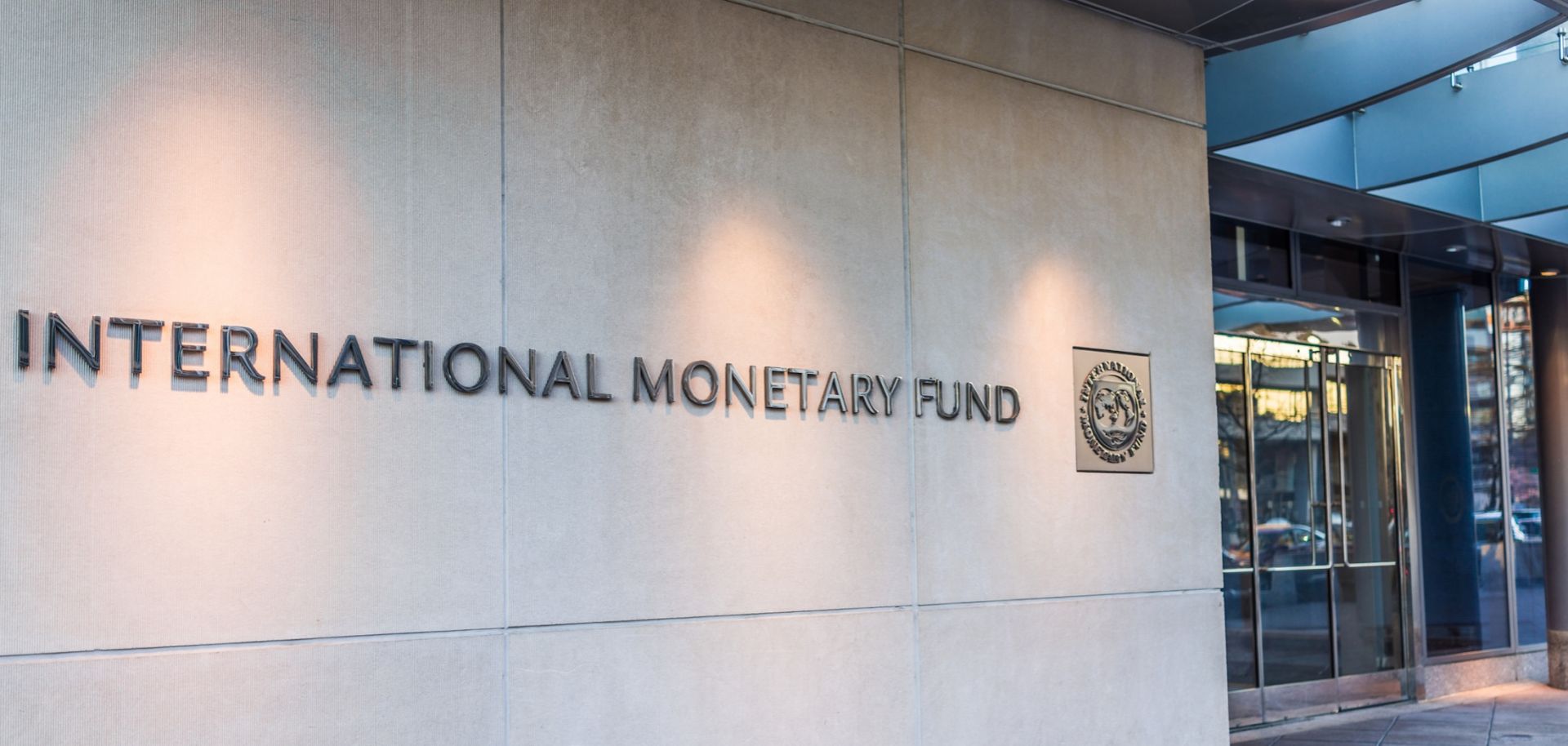
DHAKA, July 14 — Bangladesh has secured a critical $1.3 billion disbursement from the International Monetary Fund (IMF), bolstering its loan program to $5.5 billion, but mounting challenges — including political instability, weak reserves, high U.S. tariffs on garments, and slowing investment — continue to threaten the country's fragile economic recovery.
The disbursement, approved on June 23 after a combined third and fourth program review, reflects the IMF’s recognition of Bangladesh’s recent efforts to tighten monetary policy, adjust the exchange rate, and contain the fiscal deficit, which dropped to 1.5% of GDP in 2024, below the 2.8% target.
🏦 Reform Progress Amid Turmoil
The IMF’s decision came after Bangladesh’s interim government, formed after student-led protests ousted former Prime Minister Sheikh Hasina in July 2024, took steps to stabilize the economy. These included:
Raising interest rates and allowing gradual currency depreciation.
Cutting public spending and domestic borrowing to offset weak revenue.
Reducing central bank interventions in the foreign exchange market.
Exports rose by 11% year-on-year in early FY 2025, and remittance inflows jumped 28%, both helping to slightly increase reserves from $19.96 billion in January to $20.54 billion in May. Still, $2 billion in unaccounted outflows, likely linked to debt repayments and the banking sector, worsened the balance of payments, leaving a $3.8 billion financing gap for FY 2025.
📉 Political Risks and Delayed Reforms
Despite promises to implement reforms and hold elections in April 2026, the interim government’s delay in calling a general election has raised concerns about its legitimacy. Although positioned to enact unpopular reforms, it remains hesitant to implement sensitive subsidy cuts or end remittance incentives, fearing renewed unrest.
Key reforms underway include:
Digitalization and broader tax system reforms to raise the tax-to-GDP ratio.
Continuing exchange rate liberalization.
Restructuring the National Board of Revenue (NBR).
Gradual adjustments in electricity pricing.
However, measures like shifting to targeted fertilizer subsidies or removing remittance benefits will likely be delayed until after elections.
🧵 U.S. Tariffs Hit Garment Sector
One of the biggest emerging threats is the July 7 U.S. decision to raise tariffs on Bangladeshi garments from 10% to 35% — a significant blow for a sector that:
Contributes 10% of Bangladesh’s GDP.
Accounts for 80% of total exports.
Employs over 4 million workers, mostly women.
Depends heavily on the U.S., its largest buyer (18% of total exports).
The hike places Bangladesh at a competitive disadvantage against rivals like Vietnam, which faces only 20% tariffs. The country risks factory closures, mass layoffs, and a loss of market share as buyers shift sourcing to India, Latin America, and others with better trade terms.
In response, Dhaka has opened talks with Washington, offering to:
Remove certain non-tariff barriers.
Increase imports of U.S. agricultural goods and machinery.
Lower tariffs on select U.S. products.
But it remains reluctant to offer concessions in textiles — its economic backbone.
📉 Growth Outlook and Investor Sentiment
The IMF projects GDP growth to slow to 3.8% in FY 2025, down from 4.2% in FY 2024, citing:
Political disruptions.
Low foreign direct investment (FDI).
Tighter fiscal and monetary policy.
Growth may rebound to 5.3% in FY 2026, but only if elections are seen as fair and inclusive, helping restore investor and public confidence.
Inflation is expected to remain elevated at 10% in FY 2025, easing only gradually by FY 2026.
🧩 The Road Ahead
While Bangladesh’s low labor costs, skilled workforce, and fast delivery timelines continue to attract buyers, ongoing issues — including weak labor compliance, infrastructure gaps, and political uncertainty — threaten to undermine these advantages.
To avoid a deeper crisis and unlock further IMF funding, Bangladesh must:
Sustain exchange rate reforms.
Modernize and expand tax collection.
Phase out costly subsidies.
Clear arrears to state-owned enterprises.
Maintain fiscal discipline.
Until then, limited reserves, rising external shocks, and internal uncertainty will continue to weigh on the country’s fragile economic path.
News You Should See
Before Thanksgiving: Tips to Cut Travel Costs and Avoid Traffic and Airport Congestion in the US
Dollar Holds Steady as US Inflation Data and Federal Reserve Decision Approach
US Appeals Court Ends Justice Department Lawsuit Targeting 20,000 California Ballots
Democrats Win Historic House Majority, Reshaping Washington's Political Landscape
Thanksgiving Storm Threatens Major US East Coast Travel Routes With Flooding and 60 MPH Winds
Manchester City Prepare for Tactical Battle Against Napoli in Champions League
Latest News
About 81.5 million Americans are expected to travel for Thanksgiving, facing higher airfare, heavy road traffic and crowded airports. Discover key travel preparations and cost-saving tips.
The dollar index holds near 103.85 as investors await US inflation and GDP figures, with December rate expectations and global monetary policy shaping currency markets.
The 9th Circuit Court of Appeals approved the Justice Department's request to dismiss its lawsuit targeting approximately 20,000 California ballots, ending a dispute over federal election oversight and state authority.
Democrats secure at least 259 House seats and a 56-seat Senate majority, setting the stage for major changes in US healthcare, spending and congressional oversight.
A developing Thanksgiving storm threatens the US East Coast with heavy rain, coastal flooding and wind gusts of up to 60 mph, raising concerns about airport operations, road travel and holiday transportation in major cities.
Manchester City host Napoli in a key Champions League clash, with Haaland, Foden and Cherki expected to lead the English side's attacking efforts.
Arsenal prepare to host Borussia Dortmund in a crucial Champions League clash, with injuries and tactical decisions potentially shaping the outcome.
The Hunger Games: Sunrise on the Reaping earns $225 million worldwide in its opening weekend, strengthening the franchise's box-office position.
Harvard research estimates that 403 US hyperscale data centers consume up to 99 terawatt-hours annually, raising concerns about AI's environmental impact.