Autogate System Failure at Johor's BSI Complex Disrupts Over 380,000 Foreign Travelers
Technical Glitch in MyIMMS Causes Two-Day Autogate Outage, Authorities Investigate Possible Causes

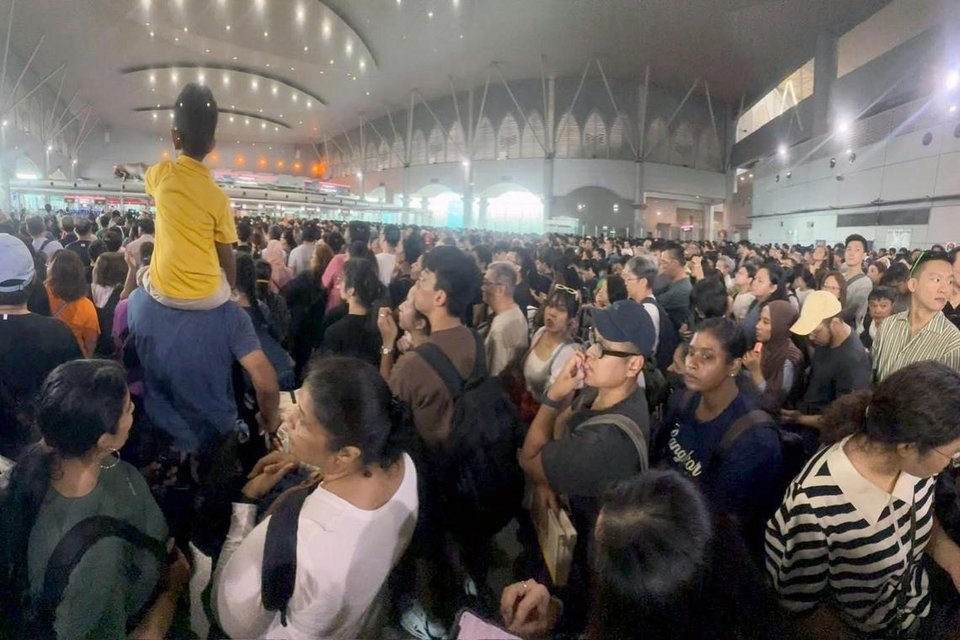
SEPANG — More than 380,000 foreign travelers experienced delays after a major technical failure disrupted autogate systems at the Bangunan Sultan Iskandar (BSI) Customs, Immigration and Quarantine Complex in Johor over two days.
Malaysian Border Control and Protection Agency (AKPS) director-general, Mohd Shuhaily Zain, announced at a press conference at KLIA Terminal One that by the night of July 19, all affected systems were fully restored.
“The MyIMMS system, which integrates with an international authoritative database, experienced connection issues that caused significant delays,” said Mohd Shuhaily.
Authorities are currently investigating the root cause of the issue, including the possibility of a cyberattack. However, he reassured that no evidence currently supports this theory and urged calm as the investigation continues.
The disruption began around noon on July 18 and affected over 200 autogates nationwide, preventing foreign nationals from using the autogate facility. Malaysian passport holders were unaffected and could continue using the service.
Key affected locations included the autogates at KLIA, the BSI complex, and the Sultan Abu Bakar complex (KSAB) — both critical land checkpoints linking Malaysia to Singapore via the Johor-Singapore Causeway and Tuas Second Link.
To manage the disruption, all manual immigration counters were activated, and additional manpower was deployed to assist travelers. Johor Works, Transportation and Infrastructure Committee chairman Fazli Salleh said the problem appears linked to the Interpol screening system used for foreign nationals.
The BSI complex alone has 39 autogates for exit and 29 for entry, while KSAB operates 12 autogates. The Johor-Singapore Causeway is one of the world’s busiest border crossings, handling around 300,000 daily travelers.
Since early 2023, Singaporeans have also been able to use electronic gates at these land checkpoints and autogate facilities at KLIA.
Mohd Shuhaily emphasized that, due to current infrastructure limits, the best mitigation during such disruptions is to open all manual lanes and inform the public early, allowing travelers to adjust their plans to reduce congestion.
News You Should See
Five Tama County Towns Launch Joint Downtown Revitalization Initiative
Columbus North Students Present Shakespeare’s As You Like It This Weekend
Northeast Ohio Students Rally for Hearing Care Through Charity Volleyball Event
Evanston Arts Council Celebrates Local Talent at Annual Bright Night Event
NBA Cup Group Stage Features High-Stakes Knicks-Pacers and Cavaliers-Heat Showdowns
New Jersey Devils Overcome Capitals With Three-Goal Third-Period Surge
Latest News
Five Tama County communities begin a downtown assessment program focused on storefront upgrades, pedestrian accessibility, and local economic growth.
Columbus North High School drama students stage William Shakespeare’s As You Like It at Judson Erne Auditorium in a weekend theatrical production.
Youngstown State students host the annual Hits for Hearing volleyball fundraiser, supporting access to hearing aids and auditory care across the Mahoning Valley.
Evanston Arts Council celebrates local artists, performers and cultural grant recipients at its annual Bright Night for the Arts event.
The NBA Cup group stage continues November 13 with Knicks-Pacers and Cavaliers-Heat leading a nine-game schedule across the league.
New Jersey Devils defeat Washington Capitals 5-2 after scoring three unanswered third-period goals to secure their 14th NHL win of the season.
Healthcare investments in Asia and the Middle East are transforming hospital rankings through advanced technology, medical tourism and expanded specialist services.
Look-alike contests inspired by Elizabeth Holmes are spreading across American cities, combining entertainment, viral marketing and growing interest in the documentary about the Theranos founder.
A University of Virginia mouse study identifies CASS4's role in brain immune cells and its potential importance in limiting Alzheimer's-related damage.