At Least 126 Dead as Earthquake Strikes Tibet
A powerful earthquake struck the Tibetan Plateau, leaving at least 126 people dead and hundreds more injured. The devastating

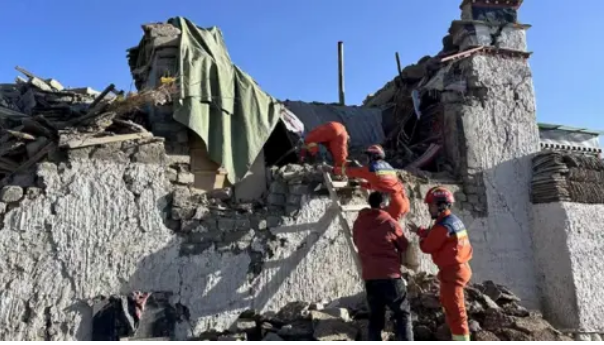
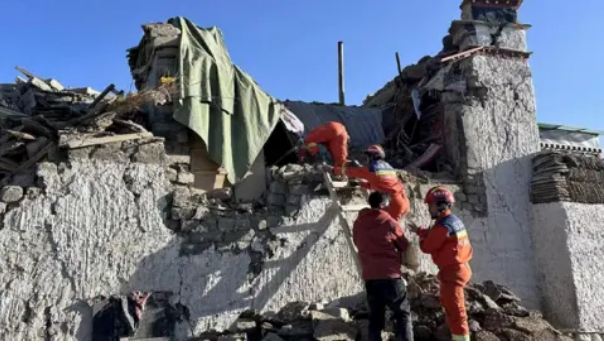
A powerful earthquake struck the Tibetan Plateau, leaving at least 126 people dead and hundreds more injured. The devastating quake, which registered a magnitude of 6.9, has caused widespread destruction in remote villages and towns, triggering landslides and cutting off communication in some of the hardest-hit areas.
The Earthquake
The quake struck late in the evening, with its epicenter located in a sparsely populated area near the Tibetan-Nepalese border. According to the China Earthquake Networks Center (CENC), the tremor was felt across Tibet and neighboring regions, including parts of India and Nepal. Aftershocks have continued to rattle the area, hampering rescue efforts and increasing fears of further collapses.
Human and Structural Impact
Authorities have reported widespread damage to homes, temples, and infrastructure. Many traditional Tibetan houses, built from stone and wood, were unable to withstand the force of the quake. Roads and bridges in mountainous areas have been destroyed, isolating communities and delaying emergency responses.
Local hospitals are overwhelmed, with medical teams struggling to treat the injured amid shortages of supplies. Rescue operations are underway, but the remoteness of the affected areas and difficult terrain are complicating efforts. Helicopters and specialized search teams have been deployed to locate survivors.
Government Response
The Chinese government has mobilized relief efforts, dispatching military and emergency teams to the region. President Xi Jinping has called for "all-out efforts" to save lives and ensure the safety of those affected. Emergency shelters have been set up, and supplies, including food, water, and blankets, are being airlifted to remote locations.
The Ministry of Emergency Management has warned of the potential for further landslides and aftershocks, urging residents to remain vigilant and evacuate unsafe areas.
A Cultural and Environmental Loss
The earthquake has also caused significant damage to cultural heritage sites, including ancient monasteries and temples that are central to Tibetan Buddhism. While the full extent of the cultural loss is still being assessed, local monks and residents have expressed heartbreak over the destruction of sacred sites.
Environmental experts have raised concerns about the long-term impact of the quake, noting the region’s vulnerability to landslides and glacial lake outburst floods, which could be exacerbated by the seismic activity.
International Aid and Support
The international community has expressed solidarity with the affected region. Neighboring countries, including Nepal and India, have offered assistance, and aid organizations such as the Red Cross and UNICEF are mobilizing resources to support relief efforts.
Social media campaigns have also emerged, with individuals and organizations calling for donations to support victims and rebuild devastated communities.
Challenges Ahead
While rescue efforts are ongoing, the road to recovery is expected to be long and arduous. With winter approaching, the urgency to provide shelter and basic necessities to displaced families is critical. Additionally, rebuilding infrastructure and restoring cultural sites will require significant resources and international cooperation.
Conclusion
The earthquake in Tibet is a tragic reminder of the region's vulnerability to natural disasters. As the death toll rises and survivors grapple with the aftermath, the focus remains on saving lives and providing relief to those affected. The resilience of the Tibetan people, coupled with national and international support, will be crucial in overcoming the challenges posed by this devastating event.
News You Should See
Thanksgiving Storm Threatens Major US East Coast Travel Routes With Flooding and 60 MPH Winds
Manchester City Prepare for Tactical Battle Against Napoli in Champions League
Arsenal Face Borussia Dortmund in High-Stakes Champions League Test
The Hunger Games: Sunrise on the Reaping Delivers $225 Million Global Box Office Debut
US Data Centers Consume as Much Electricity as Michigan, Harvard Study Reveals
AI Enables a 12,000-Pound John Deere Loader to Perform Two-Wheel Stunts
Latest News
A developing Thanksgiving storm threatens the US East Coast with heavy rain, coastal flooding and wind gusts of up to 60 mph, raising concerns about airport operations, road travel and holiday transportation in major cities.
Manchester City host Napoli in a key Champions League clash, with Haaland, Foden and Cherki expected to lead the English side's attacking efforts.
Arsenal prepare to host Borussia Dortmund in a crucial Champions League clash, with injuries and tactical decisions potentially shaping the outcome.
The Hunger Games: Sunrise on the Reaping earns $225 million worldwide in its opening weekend, strengthening the franchise's box-office position.
Harvard research estimates that 403 US hyperscale data centers consume up to 99 terawatt-hours annually, raising concerns about AI's environmental impact.
Researchers train a 12,000-pound John Deere 332G loader using AI and reinforcement learning to balance on two wheels and perform controlled movements.
Kodak introduces SlideTag, a $34.99 digital photo accessory featuring a 1.54-inch E Ink screen, photo storage, and Bluetooth tracking support.
Samsung may skip next year's Galaxy Watch launch after disappointing sales expectations, potentially shifting to a two-year release cycle while prioritizing software improvements.
Barcelona come from two goals down to beat Villarreal 3-2 at Camp Nou, with Gerard Martín, Fermín López, and Pau Navarro's own goal securing victory.