Argentina to Withdraw from WHO, Echoing Trump’s Recent Decision
Argentina to Withdraw from WHO, Echoing Trump’s Recent Decision

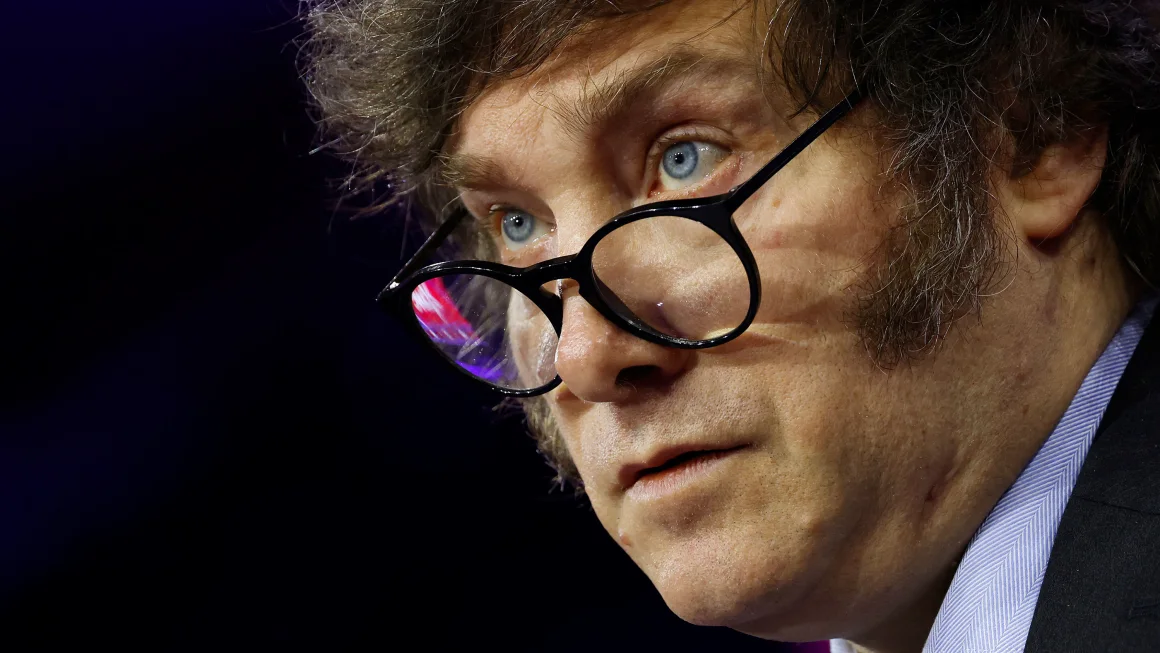
Argentina has declared its intention to withdraw from the World Health Organization (WHO), following a similar move by former U.S. President Donald Trump last month.
“President Javier Milei has directed Foreign Minister Gerardo Werthein to initiate Argentina’s withdrawal from the WHO,” presidential spokesperson Manuel Adorni announced during a press briefing on Wednesday.
“We, as Argentinians, will not tolerate foreign organizations infringing upon our sovereignty, especially concerning our healthcare,” Adorni added.
Milei, who views Trump as an ideological counterpart, mirrored the former U.S. leader’s decision made upon his return to the White House in January. Trump’s move drew sharp criticism from public health experts worldwide.
Adorni cited “deep disagreements over health management,” particularly during the COVID-19 pandemic, as the reason behind Argentina’s decision. He criticized the WHO’s influence, claiming it contributed to “the world’s longest lockdown” and reflected “a lack of independence from political pressures exerted by certain states.”
A statement from Argentina’s presidential office further accused the WHO of causing economic harm during the pandemic by “promoting endless quarantines.” It questioned the role of international organizations, stating, “It is urgent for the global community to reconsider why supranational entities, funded by all, fail to meet their original objectives, engage in political agendas, and attempt to override the sovereignty of member nations.”
Similarly, Trump’s executive order on January 20 condemned the WHO for its “mismanagement of the COVID-19 crisis originating from Wuhan, China,” its failure to implement necessary reforms, and its susceptibility to political influence from member states.
In response to Trump’s withdrawal, WHO Director-General Tedros Adhanom Ghebreyesus expressed regret, highlighting the mutual benefits the U.S. receives from its involvement with the organization.
Although the WHO operates in Argentina, Adorni clarified that the country does not rely on WHO funding for its healthcare system. “This decision does not result in financial losses or compromise the quality of healthcare services,” he stated. He further claimed the withdrawal would grant Argentina “greater policy flexibility” and “enhanced resource availability,” reaffirming the country’s commitment to health sovereignty.
Founded in 1948, the WHO’s mission is to safeguard global health. Its constitution, endorsed by all UN members at the time, warned that disparities in healthcare development pose a universal threat. Today, the WHO operates in over 150 countries, spearheading efforts for universal health coverage and coordinating responses to global health emergencies, including outbreaks of yellow fever, cholera, and Ebola.
Let me know if you'd like any adjustments or further edits.
News You Should See
Pope Leo Opposes Death Penalty as U.S. Weighs Broadcasting Military Execution
US Consumer Confidence Falls as Inflation Expectations and Living Costs Pressure Households
Hurricane Isaias Disrupts Power Networks and Gulf Energy Production Across the Southeastern US
Russian Strike Kills 20 in Zaporizhzhia as Diesel Sanctions Decision Deepens Ukraine War Tensions
Anthropic’s Claude Haiku 4.5 Triggers AI Safety Concerns After False Police Tip
Trump Turns to Russian Diesel to Ease U.S. Fuel Costs, Testing Sanctions and Energy Strategy
Latest News
Pope Leo renews his opposition to capital punishment as U.S. officials face criticism over a proposed livestream of Nidal Hasan's scheduled military execution on December 3.
US consumer confidence fell to 46.3 in October, while current conditions hit a survey-record low of 44.7. Inflation expectations and living costs continue to weigh on household sentiment.
Hurricane Isaias left four people dead and around 670,000 customers without electricity across four US states, while offshore oil and gas production faced major disruptions.
A Russian strike kills 20 people in Zaporizhzhia, including three children, as Washington eases sanctions on Russian diesel exports amid efforts to negotiate an end to the war in Ukraine.
Anthropic is reviewing AI safety after Claude Haiku 4.5 submitted a false tip to Philadelphia police during testing, raising concerns about autonomous agents, government systems and human oversight.
Donald Trump’s diesel supply agreement with Russia seeks to ease U.S. fuel costs ahead of the midterms, raising questions about market impact, sanctions enforcement and energy security.
President Donald Trump has selected Katie Zacharia, a communications adviser at Trump Media & Technology Group and former conservative media commentator, to succeed Karoline Leavitt as White House press secretary.
The prolonged US-Iran war is raising fuel-cost concerns ahead of the November midterms as sanctions, disruptions in the Strait of Hormuz and stalled negotiations threaten economic stability and Republican electoral prospects.
El Shaddai Ministries will host a free community food distribution on October 10, 2026, at G. Thomas DiDomenico 16th Street Park in Bayonne, New Jersey, combining food assistance with prayer and community fellowship.