Apple Targets Local AI Computing With High-End Mac Mini and Mac Studio
Apple is expanding its enterprise AI strategy by promoting local processing as an alternative to recurring cloud computing costs.

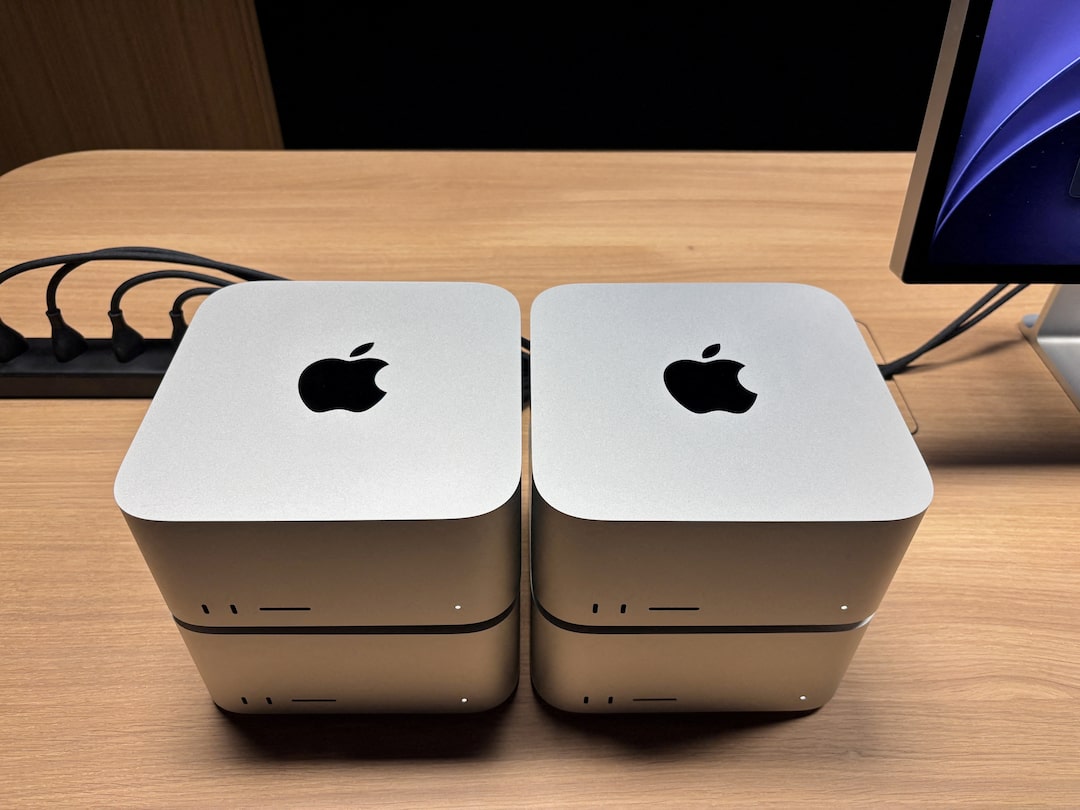
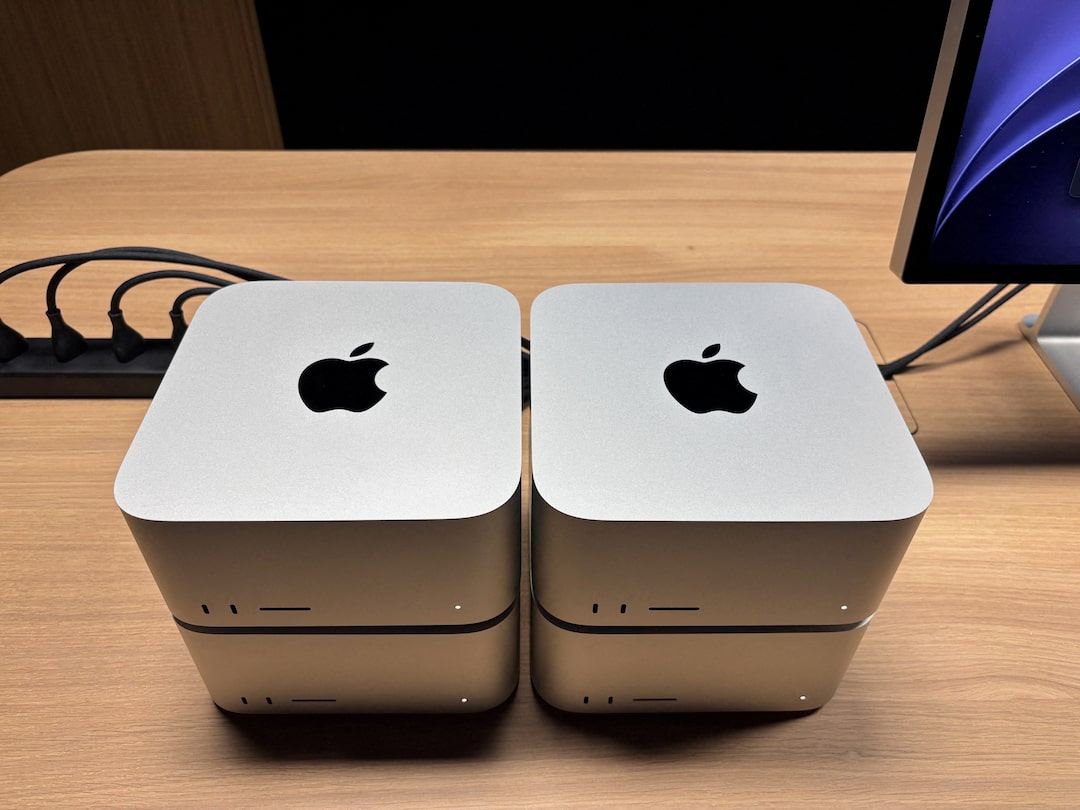
Apple is expanding its ambitions in enterprise artificial intelligence by positioning its latest Mac Mini and Mac Studio computers as local computing platforms for demanding AI workloads. The strategy reflects a growing debate among businesses over where AI processing should take place and how companies can balance performance, cost and data-control requirements.
The new systems are aimed at organizations and developers handling computationally intensive applications, including software development and other complex workloads. At the high end, configurations can approach $20,000, placing these machines well beyond the traditional consumer desktop market and directly into discussions about professional and enterprise infrastructure.
Apple's argument centers on the economics of local processing. Instead of sending every AI task to an external cloud provider and accumulating usage-based charges, companies can perform selected workloads directly on their own hardware. For organizations with sustained or predictable AI demand, that model could make the cost of computing easier to manage, although the value proposition depends on the workload, hardware requirements and the cost of maintaining local infrastructure.
The approach also gives Apple an opportunity to extend its Apple Silicon strategy beyond consumer devices. The company is emphasizing its unified memory architecture and chip efficiency as advantages for AI applications that require substantial computing resources. During a recent demonstration, four Mac Studio computers were connected to run a trillion-parameter AI model for a graphics coding task, illustrating Apple's effort to show that multiple local systems can be combined for workloads normally associated with larger computing environments.
The enterprise opportunity is significant but challenging. IDC data cited by Reuters places Apple's share of the enterprise desktop and laptop market at approximately 4.6%, compared with 91.3% for Windows. This gives Microsoft a substantially larger installed base from which to develop enterprise AI capabilities through Windows and compatible hardware ecosystems.
Nvidia occupies a different but equally important position in the competitive landscape. Its dominance in data-center computing gives it a central role in the infrastructure supporting large-scale AI applications. Apple, by contrast, is attempting to build a stronger position at the edge of the computing market by making local AI processing a practical option for developers and businesses.
The competitive issue is therefore not simply which company produces the fastest computer. Businesses are increasingly dividing AI workloads according to their operational needs. Some applications may remain best suited to large cloud platforms, while others could benefit from local or private processing because of cost, performance, latency or security considerations.
This shift could create a more fragmented AI infrastructure market. Rather than replacing cloud computing altogether, local systems may become another layer in corporate AI architectures, particularly for development, experimentation and workloads where companies want greater control over their data and computing environment.
For Apple, the strategy also represents an attempt to strengthen its relevance in professional computing. Moving further into enterprise AI could provide a new role for the Mac beyond traditional creative and developer markets, but expanding adoption will depend on whether companies view Apple's hardware ecosystem as competitive with established Windows and Nvidia-based infrastructure.
The broader direction of the market suggests that AI computing is moving toward a mixed model in which cloud, private infrastructure and local devices coexist. Apple's latest Macs are part of that transition, with the company betting that powerful local hardware can become an increasingly important component of how businesses deploy AI.
News You Should See
2026 Nobel Medicine Prize Honors Scientists Behind Optogenetics Breakthrough
Oil Prices Edge Lower as Stronger Middle East Exports and G7 Reserves Ease Supply Concerns
Trump Offers U.S. Assistance to Russia After Death at Siberian Plague Research Institute
Trump Takes Economic Message to Nebraska as GOP Faces Rising Cost-of-Living Pressure
U.S. Appeals Court Weighs Trump Administration’s $2.6 Billion Harvard Funding Fight
U.S. Midterm Elections Begin With Resilient Jobs Market and Persistent Cost Pressures
Latest News
The 2026 Nobel Prize in Physiology or Medicine honors Karl Deisseroth, Peter Hegemann and Georg Nagel for pioneering research behind optogenetics and its impact on neuroscience.
Oil prices edged lower as stronger Middle Eastern exports and a planned G7 release of 100 million barrels eased immediate supply concerns, while Gulf security risks and the Strait of Hormuz kept markets alert.
President Donald Trump said the United States would help Russia if needed after a laboratory worker died at a Siberian plague research institute, as Russian authorities imposed precautionary quarantine measures.
Trump’s Nebraska campaign stop highlights rising fuel and grocery costs, beef prices and growing economic pressure on Republicans ahead of the November midterm elections.
A U.S. appeals court is reviewing the Trump administration’s effort to cut Harvard’s federal research funding, with more than $2.6 billion at stake.
The U.S. enters the 2026 midterm elections with unemployment at 4.2%, while higher living and energy costs create economic pressure for households and businesses.
US services growth eased in September as input prices climbed to their highest level since July 2022, with fuel costs, supply-chain disruptions and strong demand increasing pressure on businesses.
Rising Treasury yields are increasing U.S. borrowing costs as Washington manages record debt, persistent inflation and strong economic demand, narrowing its policy options.
A EGP 16 million corporate partnership will establish and equip a bone marrow transplant unit at Cairo’s Coptic Hospital, supporting access to specialized treatment for patients.