AMD Crosses $1 Trillion Valuation as AI Infrastructure Demand Lifts Chip Stocks
AMD joins the trillion-dollar chipmaker group as investors continue to bet on sustained spending on AI computing infrastructure.

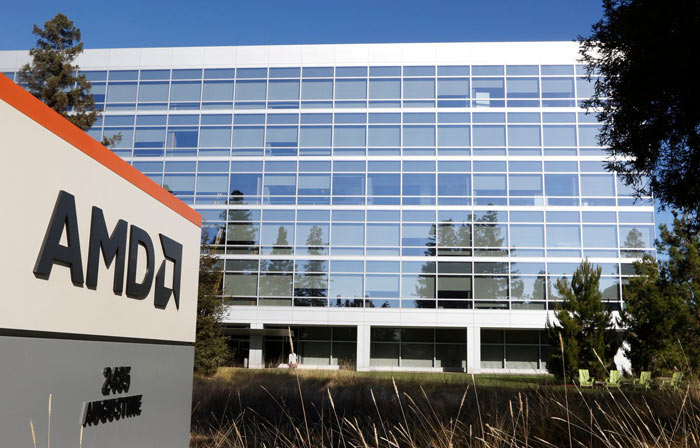
Advanced Micro Devices has crossed the $1 trillion market capitalization threshold for the first time, marking another milestone for a semiconductor industry that has become central to the expansion of artificial intelligence infrastructure.
AMD’s shares climbed sharply during Monday’s trading session, lifting the company into the relatively small group of semiconductor businesses valued at more than $1 trillion. The move reflects how strongly financial markets are currently linking chipmakers’ growth prospects to the expanding computational requirements of AI systems.
The significance of AMD’s milestone extends beyond its market value. The company operates in a semiconductor market where demand is increasingly influenced by the amount of computing capacity required to train and operate advanced AI models. As technology companies expand data-center infrastructure, processors and accelerators have become strategic components of their investment plans.
The broader semiconductor sector also benefited from the shift in investor sentiment. Several chip companies recorded gains as markets continued to price in expectations of strong demand for AI-related hardware. This has helped turn semiconductor stocks into one of the most closely watched areas of the technology market.
At the same time, the rally took place against a supportive backdrop for U.S. equities. Lower oil prices and declining Treasury yields added to the broader market advance, giving technology shares an additional source of support during the session.
For AMD, however, the longer-term question is whether the current enthusiasm surrounding AI hardware can translate into sustained business performance. High valuations reflect expectations about future earnings as much as current results, leaving chipmakers under pressure to convert expanding AI infrastructure spending into durable revenue growth and stronger profitability.
The competitive landscape is also becoming more demanding. Semiconductor companies are competing not only for traditional processor markets but increasingly for a role in the infrastructure supporting AI workloads. Success depends on chip performance, energy efficiency, software ecosystems, manufacturing capacity and the ability to meet rapidly changing requirements from large technology customers.
AMD’s valuation milestone therefore offers a broader indication of how financial markets are assessing the economic potential of artificial intelligence. The company’s passage of the $1 trillion threshold demonstrates the scale of capital flowing toward businesses positioned to benefit from the expansion of AI computing.
Whether that enthusiasm can be sustained will depend on the next stage of the AI investment cycle. Continued spending by technology companies could support semiconductor demand, while any slowdown in infrastructure investment would test whether current valuations are backed by sufficiently strong and recurring business growth.
News You Should See
2026 Nobel Medicine Prize Honors Scientists Behind Optogenetics Breakthrough
Oil Prices Edge Lower as Stronger Middle East Exports and G7 Reserves Ease Supply Concerns
Trump Offers U.S. Assistance to Russia After Death at Siberian Plague Research Institute
Trump Takes Economic Message to Nebraska as GOP Faces Rising Cost-of-Living Pressure
U.S. Appeals Court Weighs Trump Administration’s $2.6 Billion Harvard Funding Fight
U.S. Midterm Elections Begin With Resilient Jobs Market and Persistent Cost Pressures
Latest News
The 2026 Nobel Prize in Physiology or Medicine honors Karl Deisseroth, Peter Hegemann and Georg Nagel for pioneering research behind optogenetics and its impact on neuroscience.
Oil prices edged lower as stronger Middle Eastern exports and a planned G7 release of 100 million barrels eased immediate supply concerns, while Gulf security risks and the Strait of Hormuz kept markets alert.
President Donald Trump said the United States would help Russia if needed after a laboratory worker died at a Siberian plague research institute, as Russian authorities imposed precautionary quarantine measures.
Trump’s Nebraska campaign stop highlights rising fuel and grocery costs, beef prices and growing economic pressure on Republicans ahead of the November midterm elections.
A U.S. appeals court is reviewing the Trump administration’s effort to cut Harvard’s federal research funding, with more than $2.6 billion at stake.
The U.S. enters the 2026 midterm elections with unemployment at 4.2%, while higher living and energy costs create economic pressure for households and businesses.
US services growth eased in September as input prices climbed to their highest level since July 2022, with fuel costs, supply-chain disruptions and strong demand increasing pressure on businesses.
Rising Treasury yields are increasing U.S. borrowing costs as Washington manages record debt, persistent inflation and strong economic demand, narrowing its policy options.
A EGP 16 million corporate partnership will establish and equip a bone marrow transplant unit at Cairo’s Coptic Hospital, supporting access to specialized treatment for patients.