Al Ittihad’s 2026-27 King Cup Campaign Adds a New Competitive Test
The Jeddah club enters the King Cup with renewed ambitions as the tournament adds another demanding path to silverware and squad development.

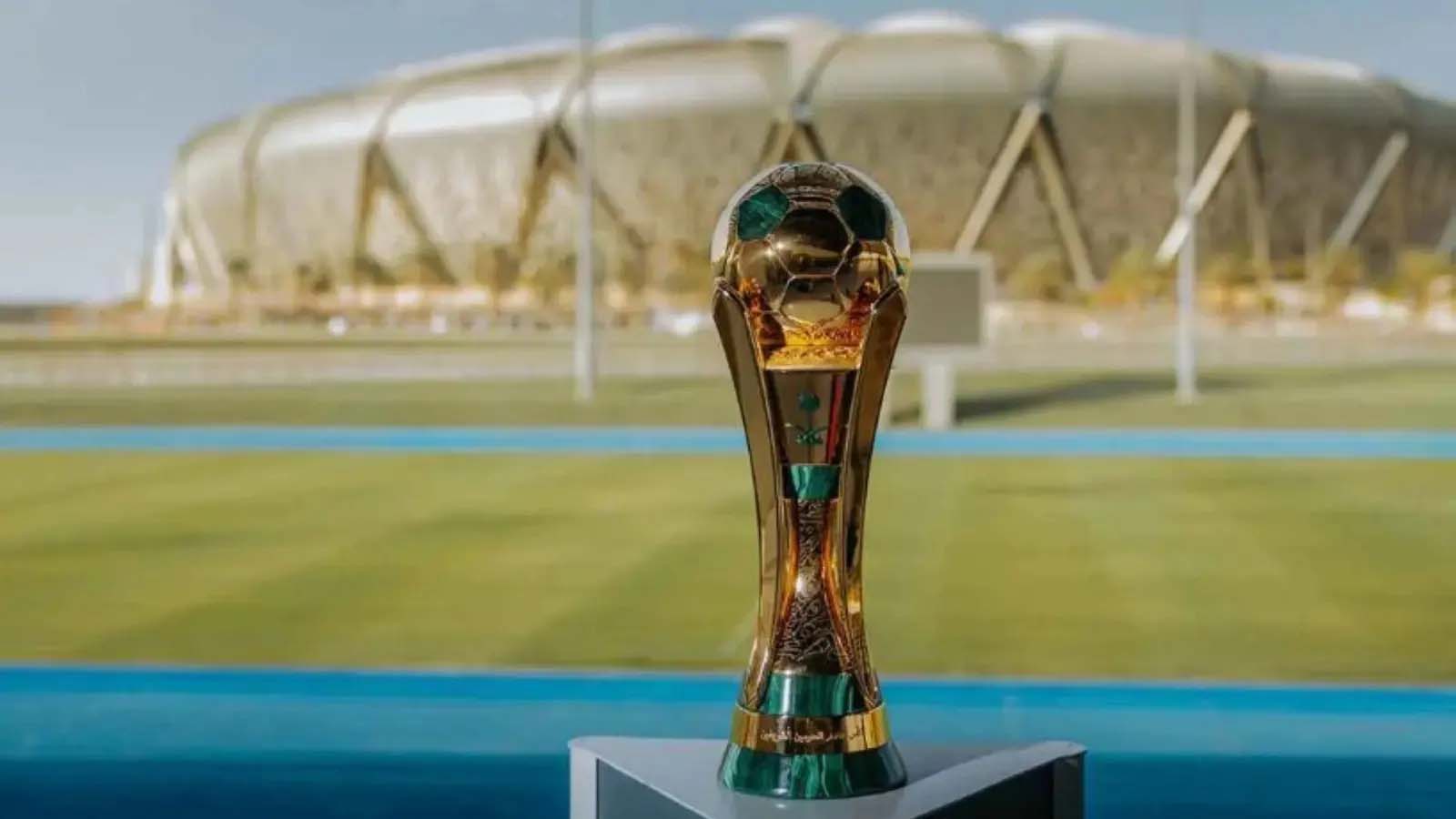
Al Ittihad’s participation in the 2026-27 Saudi King Cup represents more than another item on the club’s fixture list. For a team operating in an increasingly competitive Saudi football market, the tournament provides an additional route to a major domestic trophy while testing the depth, flexibility and long-term planning of the squad.
The King Cup occupies a distinctive position in Saudi football because its knockout format creates a different competitive environment from the league. A club can perform consistently across a long league campaign, yet a single difficult match can end its cup ambitions. That dynamic makes squad management particularly important for teams competing on several fronts.
For Al Ittihad, the tournament comes within a broader sporting project designed around competing for domestic honours. The club has invested heavily in building a squad capable of operating at a high level, and the King Cup offers an opportunity to convert that investment into another tangible achievement.
The importance of the competition also extends to the club’s brand. Winning domestic trophies strengthens the perception of a club among supporters, sponsors and international audiences. In a market where Saudi clubs are increasingly competing for global attention, sporting success has become closely connected to commercial positioning.
The 2026-27 edition will therefore test whether Al Ittihad can maintain its competitive standards while navigating a demanding schedule. The club must balance the King Cup with its league commitments and other competitions, making rotation and player management central to its strategy.
Squad depth could become one of the decisive factors. Knockout competitions often reward teams that can maintain performance levels when regular starters are unavailable. For Al Ittihad, the presence of experienced players and multiple attacking options can provide tactical flexibility, but the coaching staff must still manage workloads carefully.
The tournament also gives the club an opportunity to assess players who may not receive the same amount of playing time in league matches. From a squad-building perspective, cup fixtures can serve as practical tests of whether the club’s investment in its wider roster is producing the required competitive depth.
This is particularly relevant in the modern Saudi football environment, where leading clubs are expected to compete across multiple competitions. A strong first-choice lineup is no longer sufficient. Successful teams increasingly require a broader group of players capable of maintaining results through congested periods.
The King Cup can also create commercial value beyond the sporting result. High-profile knockout matches generate media attention, digital engagement and opportunities for sponsors to associate themselves with decisive moments in the season. Progressing through the tournament can therefore increase the visibility generated by the club’s wider commercial strategy.
For Al Ittihad, this commercial dimension is reinforced by the club’s large domestic following and growing international profile. Every additional stage reached in a major competition provides another opportunity to strengthen the connection between sporting performance and brand exposure.
However, the knockout nature of the tournament means that financial investment alone cannot guarantee progress. Tactical preparation, concentration and the ability to respond to difficult matches can be more decisive than the size of the squad’s wage bill.
This makes the King Cup an important test for the club’s football operations. The objective is not simply to accumulate high-profile players, but to build a structure capable of converting individual quality into consistent team performance.
The competition can also influence decisions later in the season. Players who perform strongly in cup matches may strengthen their position within the squad, while weaknesses exposed during knockout games can influence recruitment priorities in future transfer windows.
From a strategic perspective, Al Ittihad therefore has two potential gains from a successful King Cup campaign. The first is immediate: another opportunity to compete for a major trophy. The second is structural: additional information about the squad’s strengths, weaknesses and ability to operate under pressure.
The broadcasting dimension further expands the tournament’s reach. As Saudi football continues to attract international attention, televised matches contribute to the visibility of both the competition and the clubs involved. For Al Ittihad, strong performances can help extend its brand beyond its traditional audience.
Ultimately, the 2026-27 King Cup campaign will be judged by results, but its wider significance lies in what it reveals about Al Ittihad’s development. The club is operating in a football environment where expectations, investment and competition are all rising simultaneously.
A deep cup run would reinforce the club’s competitive identity and provide another platform for its players and commercial partners. More importantly, it would demonstrate that Al Ittihad has developed the squad depth and operational discipline required to challenge consistently across a demanding Saudi football calendar.
News You Should See
2026 Nobel Medicine Prize Honors Scientists Behind Optogenetics Breakthrough
Oil Prices Edge Lower as Stronger Middle East Exports and G7 Reserves Ease Supply Concerns
Trump Offers U.S. Assistance to Russia After Death at Siberian Plague Research Institute
Trump Takes Economic Message to Nebraska as GOP Faces Rising Cost-of-Living Pressure
U.S. Appeals Court Weighs Trump Administration’s $2.6 Billion Harvard Funding Fight
U.S. Midterm Elections Begin With Resilient Jobs Market and Persistent Cost Pressures
Latest News
The 2026 Nobel Prize in Physiology or Medicine honors Karl Deisseroth, Peter Hegemann and Georg Nagel for pioneering research behind optogenetics and its impact on neuroscience.
Oil prices edged lower as stronger Middle Eastern exports and a planned G7 release of 100 million barrels eased immediate supply concerns, while Gulf security risks and the Strait of Hormuz kept markets alert.
President Donald Trump said the United States would help Russia if needed after a laboratory worker died at a Siberian plague research institute, as Russian authorities imposed precautionary quarantine measures.
Trump’s Nebraska campaign stop highlights rising fuel and grocery costs, beef prices and growing economic pressure on Republicans ahead of the November midterm elections.
A U.S. appeals court is reviewing the Trump administration’s effort to cut Harvard’s federal research funding, with more than $2.6 billion at stake.
The U.S. enters the 2026 midterm elections with unemployment at 4.2%, while higher living and energy costs create economic pressure for households and businesses.
US services growth eased in September as input prices climbed to their highest level since July 2022, with fuel costs, supply-chain disruptions and strong demand increasing pressure on businesses.
Rising Treasury yields are increasing U.S. borrowing costs as Washington manages record debt, persistent inflation and strong economic demand, narrowing its policy options.
A EGP 16 million corporate partnership will establish and equip a bone marrow transplant unit at Cairo’s Coptic Hospital, supporting access to specialized treatment for patients.