Al Hilal’s Striker Strategy Signals a New Battle for Saudi Football’s Global Market
With Victor Osimhen at the center of a €150 million pursuit and alternatives including Ollie Watkins, Al Hilal is reshaping its attacking plans while managing major squad transitions.

Al Hilal’s latest activity in the transfer market reflects a broader shift in the Saudi club’s approach to building its attacking identity. Rather than relying on a single marquee target, the club is exploring multiple high-profile options as it prepares for significant changes in its forward line.
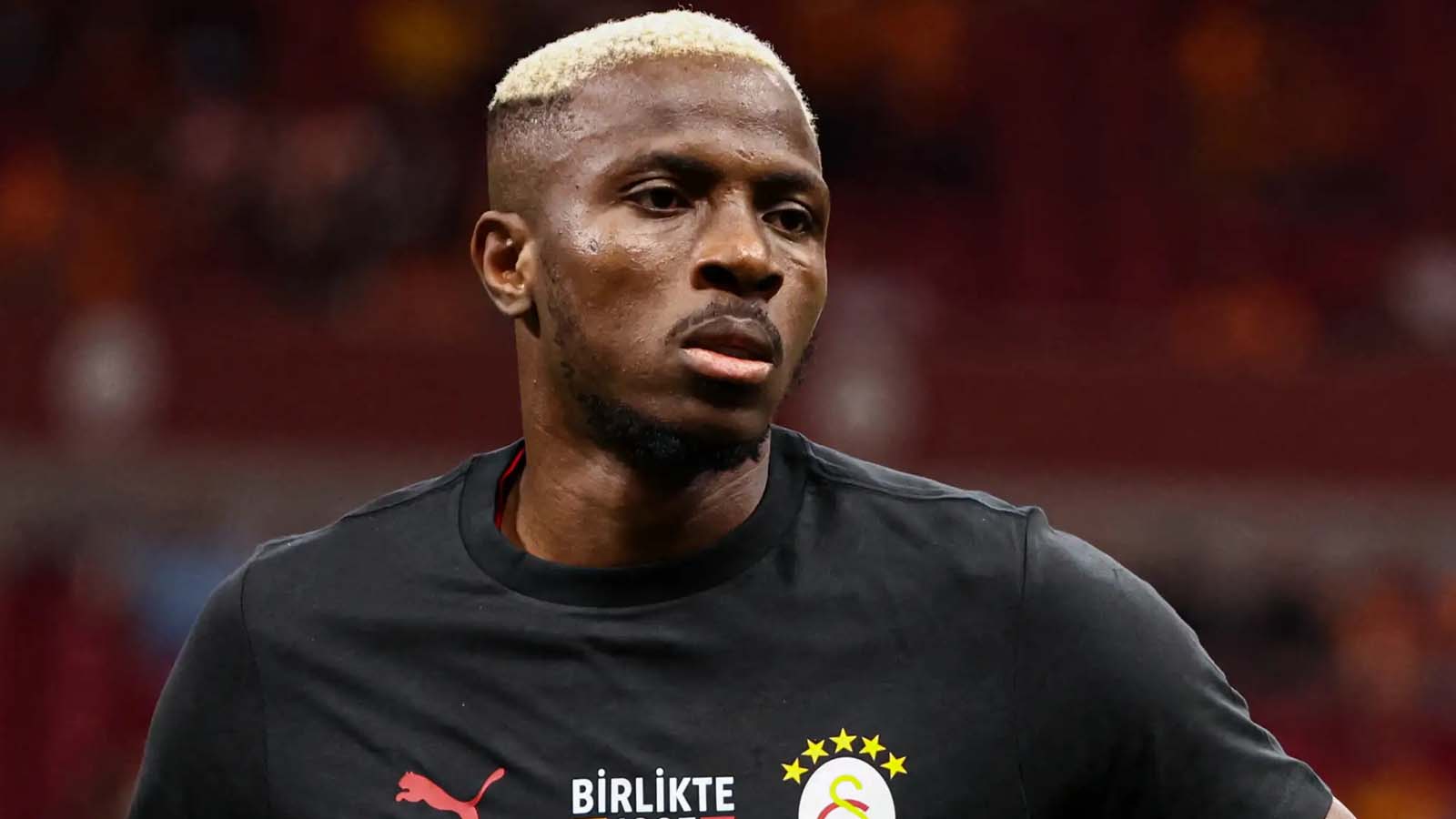
Victor Osimhen has emerged as the most ambitious target. According to the reported negotiations, Al Hilal initially presented Galatasaray with an offer of €130 million before increasing it to €150 million in an attempt to convince the Turkish club to release the Nigerian striker. The proposed package also included a reported annual salary of €50 million for the player.
The scale of the figures illustrates how competition for elite forwards has become an important component of Saudi football’s wider commercial strategy. For Al Hilal, signing a player of Osimhen’s profile would not only strengthen the squad technically but could also reinforce the club’s international visibility, sponsorship appeal and ability to compete for attention in a crowded global sports market.
Yet Galatasaray’s position demonstrates that financial capacity alone does not guarantee a transfer. The Turkish club has expressed a clear preference for retaining Osimhen, who is also reportedly comfortable remaining in Turkey as a central part of the club’s sporting project. That resistance turns the negotiation into a strategic contest between two different forms of football investment: Al Hilal’s ability to deploy significant financial resources and Galatasaray’s interest in preserving sporting continuity around a leading asset.
The situation also comes as Al Hilal considers changes to its existing attacking structure. The reported possibility of Karim Benzema and Darwin Nunez leaving would create both a sporting gap and a strategic opportunity to redefine the profile of the team’s attack. In that context, Osimhen represents more than a replacement; he would potentially become a central figure in the next phase of the club’s sporting identity.
Al Hilal has also explored Ollie Watkins as another route to strengthening the position. A reported €45 million proposal, including add-ons, was made to Aston Villa, following two previous approaches. Watkins is reportedly interested in the move, but Aston Villa has rejected the latest offer, leaving the negotiations unresolved.
The contrast between the two pursuits is significant. Osimhen represents a premium, headline-making investment with a potential transfer value of €150 million, while Watkins would provide a different financial and sporting profile. Maintaining more than one option gives Al Hilal greater flexibility as it attempts to navigate negotiations with clubs that have little incentive to sell key forwards.
Meanwhile, Darwin Nunez’s reported future adds another dimension to the reshaping of the squad. Instead of moving to Trabzonspor, where he had been linked with a reunion alongside former Liverpool teammate Mohamed Salah, Nunez is now reportedly close to joining Al-Diriyah on a one-season loan. An agreement between the two Saudi clubs has reportedly been reached, with the signing expected to proceed shortly.
From a market perspective, this movement illustrates how Saudi football is increasingly developing its own internal transfer ecosystem. Player movement is no longer limited to recruitment from European and South American markets; established stars can also move between Saudi clubs, allowing teams to restructure their squads while retaining high-value talent within the domestic competition.
The commercial implications are substantial. High-profile recruitment can strengthen international awareness, stimulate merchandise and content demand, increase the attractiveness of matches to broadcasters and sponsors, and enhance a club’s ability to position itself as a global sports brand. At the same time, the financial scale of such deals raises the importance of long-term squad planning, wage management and asset sustainability.
For Al Hilal, the immediate objective is clear: build an attack capable of matching the club’s competitive ambitions while maintaining the global profile that has become increasingly central to its identity. Whether that strategy ultimately produces Osimhen, Watkins or another solution, the negotiations show that the club is treating its forward line as both a sporting priority and a major component of its broader international positioning.
The next phase will depend on whether Al Hilal can convert financial strength into agreements with clubs that remain reluctant to sell. That distinction will be crucial as the Saudi transfer market matures and competition for elite players becomes increasingly sophisticated.
News You Should See
2026 Nobel Medicine Prize Honors Scientists Behind Optogenetics Breakthrough
Oil Prices Edge Lower as Stronger Middle East Exports and G7 Reserves Ease Supply Concerns
Trump Offers U.S. Assistance to Russia After Death at Siberian Plague Research Institute
Trump Takes Economic Message to Nebraska as GOP Faces Rising Cost-of-Living Pressure
U.S. Appeals Court Weighs Trump Administration’s $2.6 Billion Harvard Funding Fight
U.S. Midterm Elections Begin With Resilient Jobs Market and Persistent Cost Pressures
Latest News
The 2026 Nobel Prize in Physiology or Medicine honors Karl Deisseroth, Peter Hegemann and Georg Nagel for pioneering research behind optogenetics and its impact on neuroscience.
Oil prices edged lower as stronger Middle Eastern exports and a planned G7 release of 100 million barrels eased immediate supply concerns, while Gulf security risks and the Strait of Hormuz kept markets alert.
President Donald Trump said the United States would help Russia if needed after a laboratory worker died at a Siberian plague research institute, as Russian authorities imposed precautionary quarantine measures.
Trump’s Nebraska campaign stop highlights rising fuel and grocery costs, beef prices and growing economic pressure on Republicans ahead of the November midterm elections.
A U.S. appeals court is reviewing the Trump administration’s effort to cut Harvard’s federal research funding, with more than $2.6 billion at stake.
The U.S. enters the 2026 midterm elections with unemployment at 4.2%, while higher living and energy costs create economic pressure for households and businesses.
US services growth eased in September as input prices climbed to their highest level since July 2022, with fuel costs, supply-chain disruptions and strong demand increasing pressure on businesses.
Rising Treasury yields are increasing U.S. borrowing costs as Washington manages record debt, persistent inflation and strong economic demand, narrowing its policy options.
A EGP 16 million corporate partnership will establish and equip a bone marrow transplant unit at Cairo’s Coptic Hospital, supporting access to specialized treatment for patients.