AI Video Reaches Hollywood: From Spaghetti Memes to Studio Deals
From viral clips to feature films, AI-generated video is rapidly transforming the creative industry—with artists, studios, and skeptics all navigating new territory.

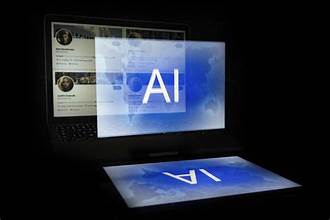
NEW YORK — AI-generated video is no longer defined by awkward faces and malformed hands. The technology has advanced so quickly that it’s now captivating Hollywood, artists, and advertisers — while stirring major debates about creativity, ethics, and the future of filmmaking.
One unlikely symbol of progress? Will Smith eating spaghetti.
Once a messy benchmark of early AI video—complete with bizarre facial features and floating noodles—the scene has since evolved. A version created recently with Google’s Veo 3 platform is almost indistinguishable from live-action footage.
“Every week, sometimes every day, a different one comes out that’s even more stunning than the next,” said Elizabeth Strickler, a professor at Georgia State University.
⚙️ Explosive Growth of AI Video Tools
The past year has seen a surge in high-end AI video tools:
Luma Labs’ Dream Machine (June 2024)
OpenAI’s Sora (December 2024)
Runway Gen-4 (March 2025)
Google’s Veo 3 (May 2025)
Each platform has pushed the limits of photorealistic animation, character motion, and creative control—drawing attention and investment from Hollywood studios and streaming networks.
Runway, in particular, has inked deals with Lionsgate and AMC Networks. Lionsgate VP Michael Burns described plans to use AI not to replace storytelling, but to reimagine existing franchises—such as Hunger Games or John Wick—in family-friendly animated formats.
“We can now visualize a scene with 10,000 soldiers in a snowstorm for a fraction of the cost,” Burns said.
This type of pre-visualization, once prohibitively expensive, now helps studios decide which scenes to invest in before any cameras roll.
🎬 The First AI Feature Film & Beyond
In October 2024, the first fully AI-generated feature film, Where the Robots Grow, was released. While it leaned heavily on animation, it marked a milestone: a movie made entirely without live-action footage.
But for Runway co-founder Alejandro Matamala Ortiz, the goal isn’t to replace film crews—it's to prove what's possible and give creators powerful tools to pitch, plan, and produce.
🧠 Artists vs. Algorithms
Not everyone is on board. Start-up Staircase Studio plans to use AI to make 7–8 films per year for under $500,000 each, but says it will still hire union labor where possible.
Meanwhile, Indie Studios co-founder Andrew White says he refuses to use AI, arguing it could compromise the creative process. Yet even he acknowledges that audiences rarely care about the method—just the final product.
“People don’t want to talk about how it’s made. That’s inside baseball,” White said.
Still, advocates like Runway’s Jamie Umpherson argue AI gives creators more freedom than ever before—with limitless revisions and reduced costs enabling tighter alignment with creative vision.
“The ultimate goal,” said Umpherson, “is to see what artists do with technology.”
🚫 Resistance, Ethics, and the Future
Despite the buzz, there’s pushback—especially among students and younger creators. Professor Strickler notes concerns over:
AI’s energy and water usage
Copyright issues around training data
The potential erosion of creative jobs
But she adds:
“Refusing to use AI is like running a business without the internet. You can try for a little while.”
In 2023, the SAG-AFTRA union secured legal protections around actors’ likenesses and AI use, but many questions remain unanswered.
Looking ahead, Runway and others are eyeing the next frontier: immersive filmmaking—building metaverse-style spaces where entire stories can be shot in virtual environments.
“The most exciting applications aren’t necessarily the ones we have in mind,” said Umpherson. “That’s up to the artists.”
News You Should See
Hollywood Faces New AI Debate as Startup Explores Selling Digital Versions of Human Faces
Arsenal Face Goalkeeping Concerns After David Raya Injury
European Leaders Urge New Iran Policy, Back Democratic Opposition and Reject Monarchy
Bayonne Mayor Sharon Ashe-Nadrowski Joins Thanksgiving Turkey Drive, Praises Community Organizations and Invites Residents to Attend
Seattle Communities Celebrate Holiday Season with Local Markets and Cultural Activities
Nvidia's AI Dominance Faces Conflicting Expectations as Industry Demand Accelerates
Latest News
A microdrama startup explores selling AI-generated digital faces, raising concerns about consent, ownership, compensation, and the future of Hollywood performers.
Arsenal draw 2-2 with Newcastle as goalkeeper David Raya suffers an injury, raising concerns for Mikel Arteta ahead of upcoming Premier League fixtures.
Former European leaders and parliamentarians call for a new Western policy toward Iran, supporting an Iranian-led democratic transition and stronger human rights measures while rejecting a return to monarchy.
Bayonne Mayor Sharon Ashe-Nadrowski joins a Thanksgiving turkey drive with local organizations, police officers, and volunteers to support families.
Explore holiday markets, handmade gifts, live music, and cultural events in Shoreline and Lake Forest Park, Washington, on November 22.
Nvidia faces contrasting industry expectations as AI demand grows, with its financial performance and leadership shaping the future of computing.
Signal introduces mobile screenshot restrictions on Android and iOS as concerns grow over AI-powered surveillance and digital privacy.
AI agents are transforming messaging platforms by helping users organize daily activities, plan travel, manage work, and complete everyday tasks.
Donyell Malen scores four goals as Roma defeat Parma 5-1, while Lazio beat Lecce 3-0 in another important Serie A result.