AI Safety for Children Emerges as the Next Test for the Tech Industry
A former Google safety executive warns that rapidly expanding AI use among children could create risks beyond those seen with social media, putting stronger safeguards and independent testing at the center of the industry debate.

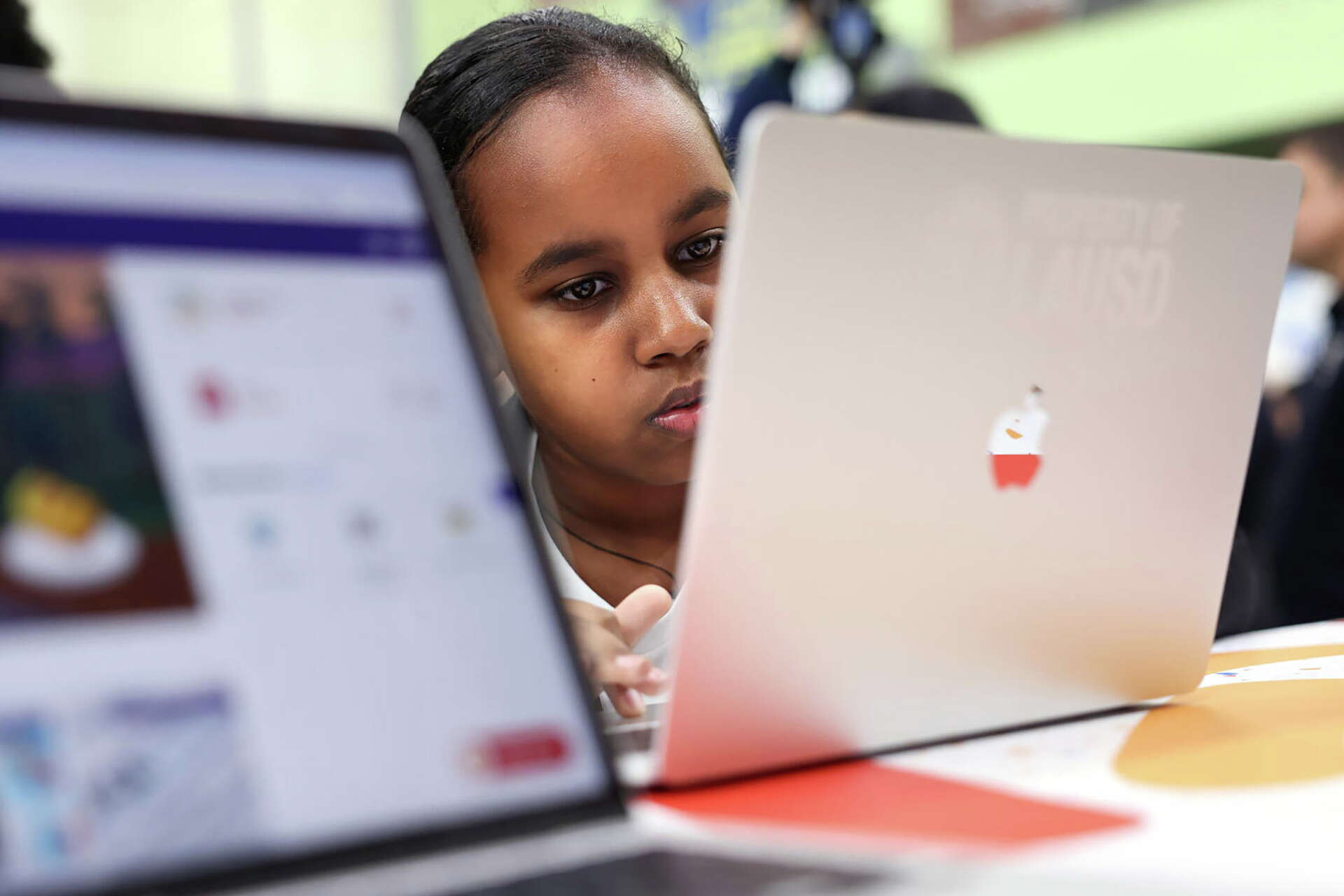
AI companies are facing growing pressure to strengthen protections for children and teenagers as the use of AI tools expands across education, search and everyday communication, raising concerns about potential risks for younger users.
Tom Siegel, a former vice president of trust and safety at Google, warned that the technology industry risks repeating mistakes made by social media companies in dealing with the impact of digital products on children. He said the interactive nature of AI could create additional challenges as younger users increasingly engage with these systems.
Siegel has joined Common Sense Media as the first executive director of its Youth AI Safety Institute, a research initiative focused on studying the impact of AI on children and developing independent standards to assess potential risks. The institute is backed by organizations including Anthropic and the OpenAI Foundation.
Siegel has identified several potential risks, including suicide and psychosis, as well as what is known as “cognitive offloading,” in which users rely on AI for answers instead of developing their own critical-thinking skills.
He has called for stronger age-verification systems and controls that would prevent children from accessing services that do not provide adequate safeguards.
Google says it already offers protections for younger users, including tools that allow parents to disable their children’s access to search. The company also highlights the potential of AI-powered search to support learning and exploration.
OpenAI said it uses account and behavioral signals, along with users’ self-reported ages, to help identify accounts that may belong to underage users. The company also said it is testing additional methods to prevent users from bypassing its safeguards. Anthropic did not immediately respond to a request for comment.
The debate is increasingly focused on whether existing safeguards are strong enough to keep pace with the rapid expansion of AI tools and their growing user base.
Siegel has proposed independent testing of AI products, similar to safety assessments used in the automotive industry. Under such a system, outside organizations could evaluate publicly available AI tools against common standards designed to identify risks to children.
Such standards could eventually become an important factor in the AI market, particularly for parents, schools, regulators and institutional customers. At the same time, companies that expand their products without sufficient investment in safety measures could face greater legal and regulatory risks.
The debate comes as the AI industry works to establish safeguards for younger users while the technology continues to expand into everyday life. Cooperation between companies and independent safety initiatives, along with decisions by governments on whether voluntary standards should become mandatory, could shape how AI products are developed and used by children in the years ahead.
News You Should See
2026 Nobel Medicine Prize Honors Scientists Behind Optogenetics Breakthrough
Oil Prices Edge Lower as Stronger Middle East Exports and G7 Reserves Ease Supply Concerns
Trump Offers U.S. Assistance to Russia After Death at Siberian Plague Research Institute
Trump Takes Economic Message to Nebraska as GOP Faces Rising Cost-of-Living Pressure
U.S. Appeals Court Weighs Trump Administration’s $2.6 Billion Harvard Funding Fight
U.S. Midterm Elections Begin With Resilient Jobs Market and Persistent Cost Pressures
Latest News
The 2026 Nobel Prize in Physiology or Medicine honors Karl Deisseroth, Peter Hegemann and Georg Nagel for pioneering research behind optogenetics and its impact on neuroscience.
Oil prices edged lower as stronger Middle Eastern exports and a planned G7 release of 100 million barrels eased immediate supply concerns, while Gulf security risks and the Strait of Hormuz kept markets alert.
President Donald Trump said the United States would help Russia if needed after a laboratory worker died at a Siberian plague research institute, as Russian authorities imposed precautionary quarantine measures.
Trump’s Nebraska campaign stop highlights rising fuel and grocery costs, beef prices and growing economic pressure on Republicans ahead of the November midterm elections.
A U.S. appeals court is reviewing the Trump administration’s effort to cut Harvard’s federal research funding, with more than $2.6 billion at stake.
The U.S. enters the 2026 midterm elections with unemployment at 4.2%, while higher living and energy costs create economic pressure for households and businesses.
US services growth eased in September as input prices climbed to their highest level since July 2022, with fuel costs, supply-chain disruptions and strong demand increasing pressure on businesses.
Rising Treasury yields are increasing U.S. borrowing costs as Washington manages record debt, persistent inflation and strong economic demand, narrowing its policy options.
A EGP 16 million corporate partnership will establish and equip a bone marrow transplant unit at Cairo’s Coptic Hospital, supporting access to specialized treatment for patients.