A Daily Handful of Nuts May Be Linked to Lower Hypertension Risk
A large analysis suggests that moderate daily nut consumption is associated with a lower risk of hypertension, while preparation and portion size remain important factors.

A growing body of nutrition research is shifting attention toward simple dietary habits that may contribute to cardiovascular health, and nuts are emerging as one of the foods associated with a lower risk of hypertension.
A systematic review and meta-analysis published August 4 in the British Journal of Nutrition examined eight prospective studies involving 143,380 adults between the ages of 18 and 87. Across the studies, researchers recorded 20,665 cases of hypertension during follow-up.
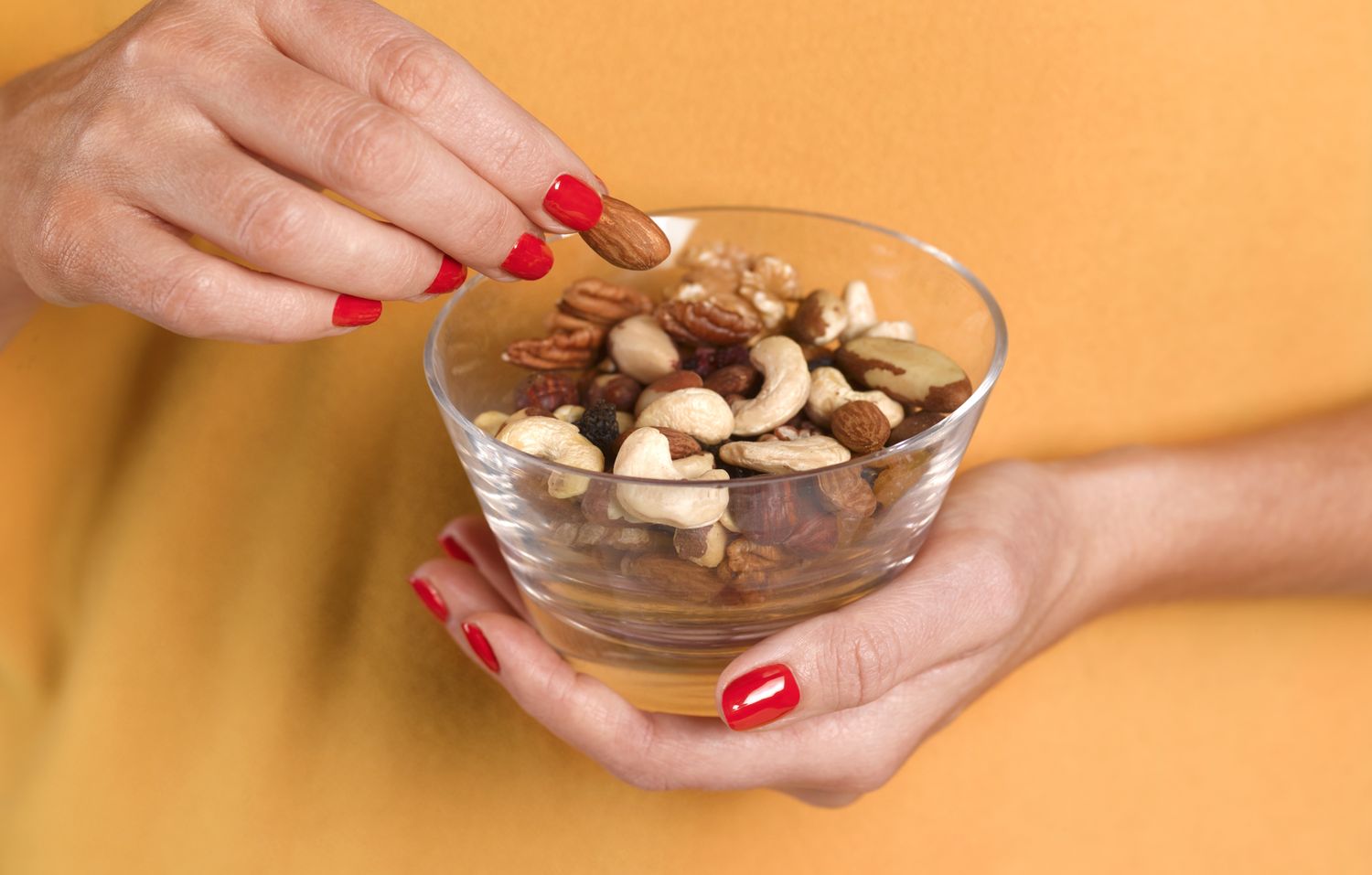
The analysis found that people consuming the highest amounts of nuts had a 16% lower risk of developing hypertension compared with those consuming the least. The association became more pronounced when daily consumption was measured: every additional 28 grams of nuts was associated with a 20% lower risk, while consuming around 30 grams per day was associated with a 26% lower risk compared with consuming no nuts.
Importantly, the research did not indicate that increasing intake indefinitely would continue to reduce risk. Researchers found no evidence of additional benefits at higher consumption levels.
The findings are significant because hypertension is a major cardiovascular risk factor, but they should be interpreted carefully. The studies were observational, meaning they can identify associations but cannot establish that eating nuts directly prevents high blood pressure. People who regularly eat nuts may also follow healthier dietary and lifestyle patterns overall.
That distinction places the findings within a broader nutrition strategy rather than presenting nuts as a standalone intervention. Dietitians emphasize that cardiovascular health is influenced by the overall quality of a person's eating pattern, physical activity, weight management, sodium intake and other lifestyle factors.
Nuts nevertheless offer a combination of nutrients that may support cardiovascular function. They contain fiber, unsaturated fats, magnesium, potassium, plant-based protein and several vitamins. Magnesium can contribute to blood-vessel relaxation, while potassium can help counter some of the effects of sodium and support healthy blood-vessel function.
The nutritional profile also means that different nuts can provide somewhat different advantages. Walnuts, peanuts and almonds contain notable amounts of L-arginine, an amino acid involved in the production of nitric oxide and the regulation of blood-vessel dilation. Pistachios have also attracted attention in previous research because their potassium, unsaturated fats, fiber and antioxidant compounds may contribute to modest improvements in systolic blood pressure.
Still, the analysis does not identify one specific nut as the universal choice for blood-pressure management. Instead, the practical value appears to lie in incorporating moderate amounts of nuts into an otherwise balanced diet.
Preparation may be more important than the specific variety. Unsalted or lightly salted nuts can help keep sodium intake under control, an important consideration for people trying to manage blood pressure. By contrast, heavily salted products, sugar-coated nuts and highly processed snack mixes can add sodium, sugar and other ingredients that reduce the nutritional advantage.
Portion control is another consideration. Nuts are nutrient-dense but also relatively high in calories, making a serving of about one ounce, or a small handful, a more practical target than consuming several handfuls throughout the day.
The commercial implications for the food sector are also notable. Consumer interest in preventive nutrition is creating demand for convenient foods that can fit into healthier eating patterns without requiring major changes in daily routines. Nuts are well positioned in that market because they combine portability, shelf stability and a strong nutritional profile.
However, the research also creates a distinction between a genuinely health-oriented product and one that simply uses a healthy ingredient as a marketing label. Products built around nuts can vary substantially in sodium, added sugar, processing and calorie density. For food manufacturers, this creates an opportunity to compete not only on the presence of nuts but also on formulation, transparency and nutritional quality.
For consumers, the broader message is more measured than the headline might suggest. The evidence supports nuts as a useful component of a heart-conscious eating pattern, but it does not establish them as a treatment for hypertension or a substitute for medical care.
The most sustainable takeaway is therefore one of dietary balance. A small daily portion of unsalted or lightly salted nuts can be incorporated into an eating pattern that prioritizes vegetables, fruits, whole grains, healthy fats, adequate potassium and magnesium, and controlled sodium intake.
As research continues to examine the relationship between individual foods and chronic disease, the market and public-health conversation is likely to move further away from the idea of a single “superfood.” The stronger strategy is building consistent dietary patterns in which practical, nutrient-rich foods such as nuts play a supporting role.
News You Should See
2026 Nobel Medicine Prize Honors Scientists Behind Optogenetics Breakthrough
Oil Prices Edge Lower as Stronger Middle East Exports and G7 Reserves Ease Supply Concerns
Trump Offers U.S. Assistance to Russia After Death at Siberian Plague Research Institute
Trump Takes Economic Message to Nebraska as GOP Faces Rising Cost-of-Living Pressure
U.S. Appeals Court Weighs Trump Administration’s $2.6 Billion Harvard Funding Fight
U.S. Midterm Elections Begin With Resilient Jobs Market and Persistent Cost Pressures
Latest News
The 2026 Nobel Prize in Physiology or Medicine honors Karl Deisseroth, Peter Hegemann and Georg Nagel for pioneering research behind optogenetics and its impact on neuroscience.
Oil prices edged lower as stronger Middle Eastern exports and a planned G7 release of 100 million barrels eased immediate supply concerns, while Gulf security risks and the Strait of Hormuz kept markets alert.
President Donald Trump said the United States would help Russia if needed after a laboratory worker died at a Siberian plague research institute, as Russian authorities imposed precautionary quarantine measures.
Trump’s Nebraska campaign stop highlights rising fuel and grocery costs, beef prices and growing economic pressure on Republicans ahead of the November midterm elections.
A U.S. appeals court is reviewing the Trump administration’s effort to cut Harvard’s federal research funding, with more than $2.6 billion at stake.
The U.S. enters the 2026 midterm elections with unemployment at 4.2%, while higher living and energy costs create economic pressure for households and businesses.
US services growth eased in September as input prices climbed to their highest level since July 2022, with fuel costs, supply-chain disruptions and strong demand increasing pressure on businesses.
Rising Treasury yields are increasing U.S. borrowing costs as Washington manages record debt, persistent inflation and strong economic demand, narrowing its policy options.
A EGP 16 million corporate partnership will establish and equip a bone marrow transplant unit at Cairo’s Coptic Hospital, supporting access to specialized treatment for patients.