A Cure for Loneliness Found in the Wild: Nature’s Hidden Remedy
In a world where loneliness is increasingly recognized as a public health crisis, researchers and mental

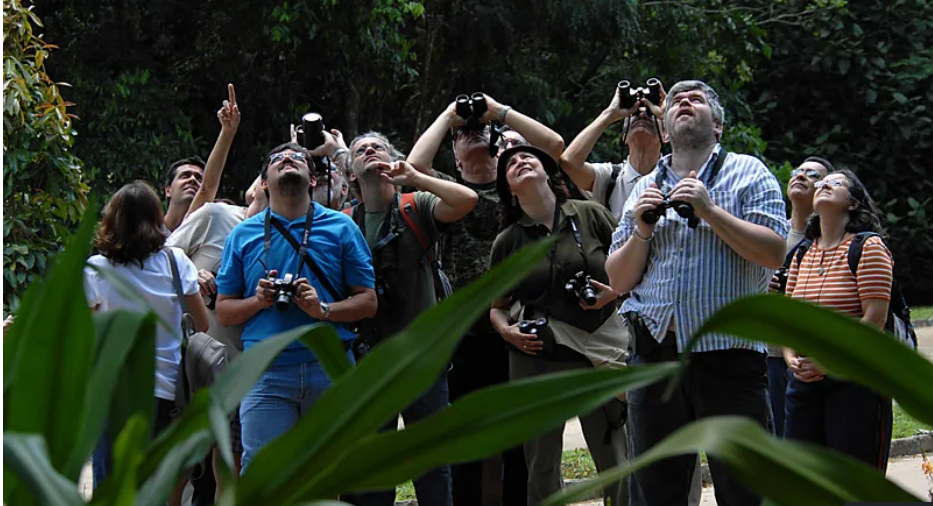
In a world where loneliness is increasingly recognized as a public health crisis, researchers and mental health experts are turning their attention to an unlikely source of solace: the wild. Studies are shedding light on the transformative power of nature in combating loneliness, revealing that time spent in natural environments can provide a profound sense of connection and healing.
Loneliness: A Growing Epidemic
Loneliness affects millions worldwide, with studies linking it to mental health challenges such as depression and anxiety, as well as physical health risks like heart disease and weakened immune systems. The COVID-19 pandemic further exacerbated this issue, isolating individuals and straining social bonds. As traditional interventions often fall short, the search for innovative solutions has led researchers to explore the therapeutic potential of the natural world.
Nature as a Remedy
Emerging evidence suggests that immersion in the wild—whether through hiking, forest bathing, or simply spending time in green spaces—can significantly alleviate feelings of loneliness. Unlike urban settings that can heighten a sense of disconnection, nature fosters a unique type of relationship: a connection to something greater than oneself.
In a groundbreaking study, participants who spent time in forests reported reduced feelings of isolation, improved mood, and enhanced self-esteem. Similarly, urban green spaces, such as parks and community gardens, were found to encourage social interaction and create opportunities for new connections.
Biological and Psychological Mechanisms
The benefits of nature are deeply rooted in biology and psychology:
Stress Reduction: Nature lowers cortisol levels, reducing stress and promoting relaxation.
Increased Mindfulness: Natural environments encourage present-moment awareness, a key factor in combating loneliness.
Social Bonding: Activities like group hikes or conservation projects foster a sense of belonging and community.
Reconnecting with Purpose: Engaging with nature often instills a sense of purpose, whether through appreciating its beauty or participating in its preservation.
Real-Life Success Stories
Around the world, initiatives are harnessing the healing power of the wild. In Japan, the practice of shinrin-yoku (forest bathing) is widely promoted as a mental health intervention. In the United Kingdom, "green prescriptions" are being issued by healthcare providers, encouraging patients to spend time outdoors. Even urban areas are joining the movement, with cities like Singapore integrating vast green spaces to counteract the isolating effects of modern living.
Challenges and Opportunities
While the potential of nature as a cure for loneliness is promising, there are challenges to overcome. Access to green spaces remains unequal, particularly in densely populated urban areas or marginalized communities. To maximize the benefits, policymakers and urban planners must prioritize the creation and maintenance of accessible natural environments.
A Path Forward
Recognizing nature as a powerful ally in addressing loneliness opens new pathways for public health interventions. Schools, workplaces, and healthcare systems can integrate nature-based solutions, from outdoor classrooms to therapeutic gardening programs. Community initiatives, such as guided nature walks or conservation projects, can further strengthen social bonds while promoting environmental stewardship.
Conclusion
In the fight against loneliness, the wild offers a timeless remedy. By reconnecting with nature, individuals can find not only solace but also a sense of belonging in a world that often feels disconnected. As more people embrace the healing power of the wild, it becomes clear that the natural world is not just a backdrop to life—it is an essential partner in fostering connection and well-being.
News You Should See
Queens Celebrates Arts, Music and Family Activities with Diverse Weekend Events
Hollywood Faces New AI Debate as Startup Explores Selling Digital Versions of Human Faces
Arsenal Face Goalkeeping Concerns After David Raya Injury
European Leaders Urge New Iran Policy, Back Democratic Opposition and Reject Monarchy
Bayonne Mayor Sharon Ashe-Nadrowski Joins Thanksgiving Turkey Drive, Praises Community Organizations and Invites Residents to Attend
Seattle Communities Celebrate Holiday Season with Local Markets and Cultural Activities
Latest News
Queens hosts a weekend of cultural events featuring artisan markets, children's classical music activities, documentary screenings, gardening workshops and theater.
A microdrama startup explores selling AI-generated digital faces, raising concerns about consent, ownership, compensation, and the future of Hollywood performers.
Arsenal draw 2-2 with Newcastle as goalkeeper David Raya suffers an injury, raising concerns for Mikel Arteta ahead of upcoming Premier League fixtures.
Former European leaders and parliamentarians call for a new Western policy toward Iran, supporting an Iranian-led democratic transition and stronger human rights measures while rejecting a return to monarchy.
Bayonne Mayor Sharon Ashe-Nadrowski joins a Thanksgiving turkey drive with local organizations, police officers, and volunteers to support families.
Explore holiday markets, handmade gifts, live music, and cultural events in Shoreline and Lake Forest Park, Washington, on November 22.
Nvidia faces contrasting industry expectations as AI demand grows, with its financial performance and leadership shaping the future of computing.
Signal introduces mobile screenshot restrictions on Android and iOS as concerns grow over AI-powered surveillance and digital privacy.
AI agents are transforming messaging platforms by helping users organize daily activities, plan travel, manage work, and complete everyday tasks.