25 Years After 9/11, Islamophobia Remains a Political Force in the United States
Election cycles, national security rhetoric and rising Muslim American politicians are reshaping the debate over anti-Muslim sentiment.

Twenty-five years after the September 11 attacks, the political legacy of the tragedy remains visible in the way Islam and Muslim identity are discussed in the United States. What began as a period of fear, backlash and extraordinary security measures has evolved into a recurring political pattern in which anti-Muslim rhetoric can become particularly prominent during election campaigns.
The immediate aftermath of 9/11 brought violence against Muslims and people perceived to be Muslim, alongside intensified government scrutiny of Muslim immigrants. Human Rights Watch documented a severe wave of backlash violence, including at least three murders in the period immediately following the attacks. The federal response also produced a broad expansion of measures targeting Muslim immigrants, creating a lasting connection between Muslim identity and national-security debates.
Over the following years, public attitudes did not move in a straight line. There were periods of greater acceptance, but negative perceptions and episodes of violence continued to resurface. Research highlighted in the debate over Islamophobia has also pointed to an important political pattern: anti-Muslim incidents and rhetoric have often intensified around elections rather than simply following terrorist attacks.
That distinction matters because it changes the way Islamophobia can be understood within the political marketplace. When fear is concentrated around election campaigns, rhetoric about Muslims can become part of a broader strategy for mobilizing voters, defining political opponents and framing questions of national identity. The issue therefore extends beyond social prejudice and becomes connected to electoral incentives and political competition.
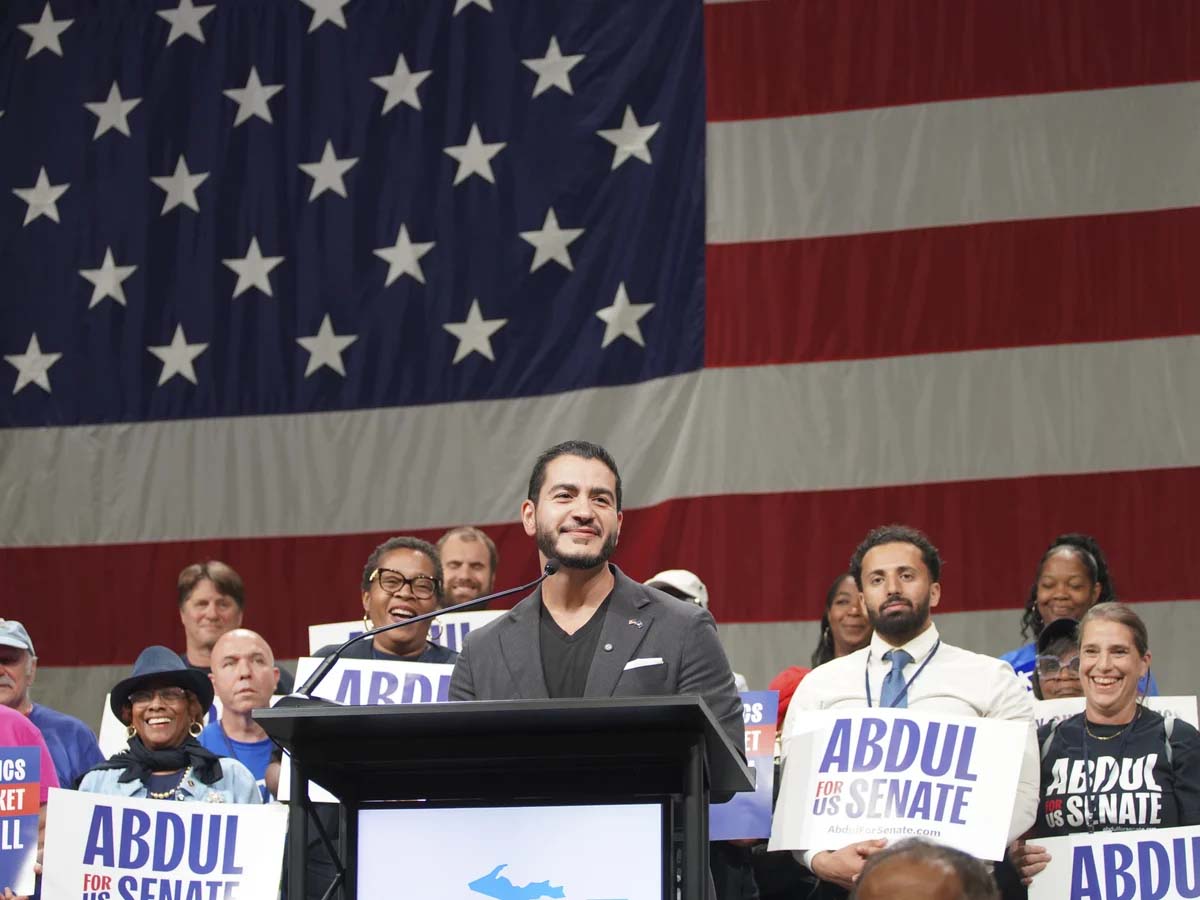
The current US political environment provides a clear example of this dynamic. With the 2026 midterm elections approaching, several Republican figures and conservative activists have used highly inflammatory language against Muslim politicians and Muslim participation in public life. Among the figures cited are Laura Loomer, Representative Nancy Mace, Representative Randy Fine and Senator Tommy Tuberville, while Vice President JD Vance has also made comments about Michigan Senate candidate Abdul El-Sayed that critics have described as Islamophobic. In Texas, Governor Greg Abbott's designation of the Council on American-Islamic Relations as a foreign terrorist organization has added another institutional dimension to the dispute.
These developments carry implications beyond the Muslim community. The political use of national-security language can expand the boundaries of what is considered acceptable political rhetoric and can affect other groups when governments begin targeting organizations or individuals on the basis of political identity or dissent. The broader concern, therefore, is not only discrimination against Muslims but the normalization of exceptional political measures.
At the same time, Muslim Americans are becoming more visible participants in American political life. A recent study cited by the Guardian counted 255 Muslim elected officials across the United States, including mayors, judges and members of Congress. Muslim women account for more than 43% of that total.
The emergence of politicians such as Zohran Mamdani and Abdul El-Sayed is significant because their campaigns increasingly compete on conventional public-policy issues rather than religious identity alone. El-Sayed has emphasized universal healthcare, clean water, medical-debt relief and restrictions on corporate political money. Mamdani has pursued initiatives involving childcare, rent stabilization and support for families.
This creates a strategic challenge for political opponents who attempt to make Muslim identity the central issue. The more Muslim candidates build campaigns around broadly shared economic and social concerns, the harder it becomes to separate their political platforms from the interests of the wider electorate.
The evolution of Muslim American political participation also points to a broader change in the country's political landscape. A community that was frequently discussed after 9/11 through the lens of security and suspicion is increasingly represented through elections, public policy and civic organization. That shift does not eliminate Islamophobia, but it changes the balance between political attacks and political participation.
The central lesson of the past quarter-century is therefore less about the disappearance of anti-Muslim sentiment than about its changing political function. Fear can still be activated, particularly when elections create incentives for sharper identity-based messaging. Yet the growing presence of Muslim Americans in public institutions demonstrates that political participation can also challenge those narratives.
As the United States moves through another contentious election cycle, the competition between these two forces is likely to remain important: one seeks political advantage by portraying Muslims as an outside threat, while the other increasingly treats Muslim Americans as an established part of the electorate, political system and national community.
News You Should See
2026 Nobel Medicine Prize Honors Scientists Behind Optogenetics Breakthrough
Oil Prices Edge Lower as Stronger Middle East Exports and G7 Reserves Ease Supply Concerns
Trump Offers U.S. Assistance to Russia After Death at Siberian Plague Research Institute
Trump Takes Economic Message to Nebraska as GOP Faces Rising Cost-of-Living Pressure
U.S. Appeals Court Weighs Trump Administration’s $2.6 Billion Harvard Funding Fight
U.S. Midterm Elections Begin With Resilient Jobs Market and Persistent Cost Pressures
Latest News
The 2026 Nobel Prize in Physiology or Medicine honors Karl Deisseroth, Peter Hegemann and Georg Nagel for pioneering research behind optogenetics and its impact on neuroscience.
Oil prices edged lower as stronger Middle Eastern exports and a planned G7 release of 100 million barrels eased immediate supply concerns, while Gulf security risks and the Strait of Hormuz kept markets alert.
President Donald Trump said the United States would help Russia if needed after a laboratory worker died at a Siberian plague research institute, as Russian authorities imposed precautionary quarantine measures.
Trump’s Nebraska campaign stop highlights rising fuel and grocery costs, beef prices and growing economic pressure on Republicans ahead of the November midterm elections.
A U.S. appeals court is reviewing the Trump administration’s effort to cut Harvard’s federal research funding, with more than $2.6 billion at stake.
The U.S. enters the 2026 midterm elections with unemployment at 4.2%, while higher living and energy costs create economic pressure for households and businesses.
US services growth eased in September as input prices climbed to their highest level since July 2022, with fuel costs, supply-chain disruptions and strong demand increasing pressure on businesses.
Rising Treasury yields are increasing U.S. borrowing costs as Washington manages record debt, persistent inflation and strong economic demand, narrowing its policy options.
A EGP 16 million corporate partnership will establish and equip a bone marrow transplant unit at Cairo’s Coptic Hospital, supporting access to specialized treatment for patients.