2026 Nobel Medicine Prize Honors Scientists Behind Optogenetics Breakthrough
Karl Deisseroth, Peter Hegemann and Georg Nagel are recognized for research that established optogenetics, giving scientists unprecedented precision in studying and manipulating neural activity.

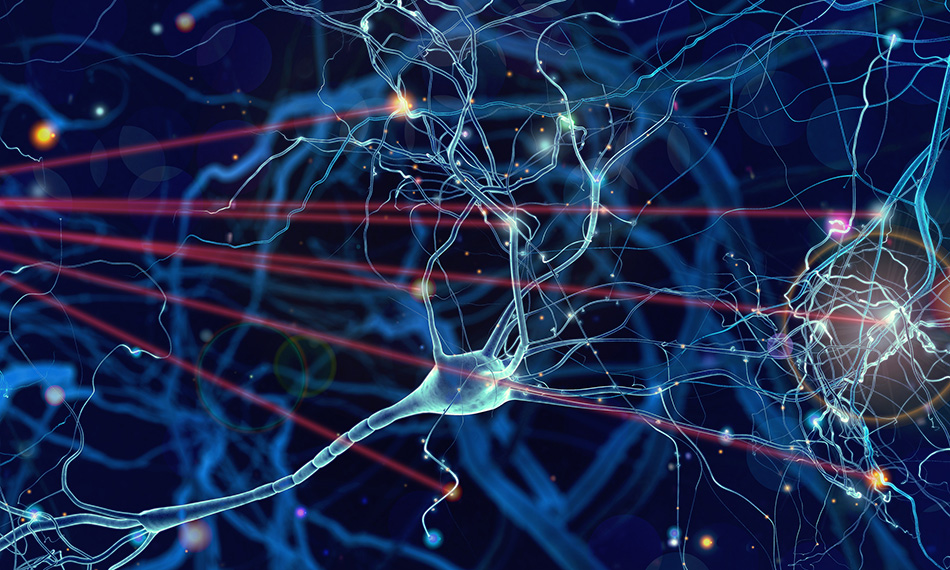
The 2026 Nobel Prize in Physiology or Medicine recognizes a scientific advance that has fundamentally changed how researchers investigate the brain. Karl Deisseroth, Peter Hegemann and Georg Nagel were honored for work that helped establish optogenetics, a field that combines genetics with light-sensitive proteins to give scientists precise control over the activity of living neurons.
The significance of the achievement lies in the level of control it introduced into neuroscience. Traditional methods of studying the brain often made it difficult to isolate the role of individual groups of neurons. Optogenetics provided researchers with a more targeted approach, allowing specific cells to be activated or silenced through exposure to light after they have been equipped with the appropriate biological machinery.
The foundations of the technology were built through complementary discoveries. Hegemann and Nagel independently contributed to the identification of light-sensitive proteins in algae. Their findings supplied an important biological mechanism that could later be adapted for neuroscience. Deisseroth subsequently helped develop techniques for delivering the relevant genetic material into neurons, making it possible to use light-sensitive proteins as tools for manipulating neural activity.
This combination of disciplines turned an initially fundamental biological discovery into a powerful experimental platform. Researchers can use optogenetic methods to trace neural pathways and examine how specific circuits contribute to behavior, perception and neurological processes. That level of precision has helped expand scientific understanding of how the brain is organized and how its different systems interact.
The broader importance of the Nobel-recognized work is its role as an enabling technology. Rather than representing a single medical treatment, optogenetics has provided researchers with a way to ask questions that were previously difficult or impossible to answer with comparable precision. It has therefore become an important tool across modern neuroscience research.
The potential medical implications are equally significant, although they remain largely prospective. Scientists are investigating whether discoveries enabled by optogenetics could eventually contribute to new approaches for neurological disorders and certain forms of inherited blindness. Such possibilities illustrate how fundamental research can create technologies whose practical applications emerge years after the original discovery.
That distinction is important. The Nobel recognition does not mean that optogenetics has become a widely available treatment for neurological disease. Many applications remain within the research environment, and substantial scientific and clinical work will be required before techniques derived from these discoveries can be translated into broadly accessible therapies.
From a research and innovation perspective, the award also demonstrates the value of connecting fields that were once treated separately. Genetics, molecular biology, optics and neuroscience converged to produce a method that has reshaped experimental brain science. The commercial and medical opportunities associated with such technologies will depend on further validation, safety research and the ability to translate laboratory findings into practical clinical applications.
The 2026 medicine prize consequently recognizes more than a specific discovery. It highlights a shift in the tools available to neuroscience and underscores the long-term economic and medical value of fundamental scientific research. As researchers continue refining light-based methods and exploring new applications, the influence of optogenetics is likely to extend beyond the laboratory and shape future efforts to understand and treat disorders involving the nervous system.
The award also opens the annual sequence of Nobel announcements, with prizes in physics, chemistry, literature, peace and economics to follow. For medicine, however, this year's recognition places the spotlight on a technology that has already transformed the way scientists examine one of biology's most complex systems.
News You Should See
2026 Nobel Medicine Prize Honors Scientists Behind Optogenetics Breakthrough
Oil Prices Edge Lower as Stronger Middle East Exports and G7 Reserves Ease Supply Concerns
Trump Offers U.S. Assistance to Russia After Death at Siberian Plague Research Institute
Trump Takes Economic Message to Nebraska as GOP Faces Rising Cost-of-Living Pressure
U.S. Appeals Court Weighs Trump Administration’s $2.6 Billion Harvard Funding Fight
U.S. Midterm Elections Begin With Resilient Jobs Market and Persistent Cost Pressures
Latest News
The 2026 Nobel Prize in Physiology or Medicine honors Karl Deisseroth, Peter Hegemann and Georg Nagel for pioneering research behind optogenetics and its impact on neuroscience.
Oil prices edged lower as stronger Middle Eastern exports and a planned G7 release of 100 million barrels eased immediate supply concerns, while Gulf security risks and the Strait of Hormuz kept markets alert.
President Donald Trump said the United States would help Russia if needed after a laboratory worker died at a Siberian plague research institute, as Russian authorities imposed precautionary quarantine measures.
Trump’s Nebraska campaign stop highlights rising fuel and grocery costs, beef prices and growing economic pressure on Republicans ahead of the November midterm elections.
A U.S. appeals court is reviewing the Trump administration’s effort to cut Harvard’s federal research funding, with more than $2.6 billion at stake.
The U.S. enters the 2026 midterm elections with unemployment at 4.2%, while higher living and energy costs create economic pressure for households and businesses.
US services growth eased in September as input prices climbed to their highest level since July 2022, with fuel costs, supply-chain disruptions and strong demand increasing pressure on businesses.
Rising Treasury yields are increasing U.S. borrowing costs as Washington manages record debt, persistent inflation and strong economic demand, narrowing its policy options.
A EGP 16 million corporate partnership will establish and equip a bone marrow transplant unit at Cairo’s Coptic Hospital, supporting access to specialized treatment for patients.